iVIS | e-Surveillance Company

Write to us about any queries you have

Contact Form Demo

Face Detection Devices

Securing the Last 50 Meters: E- Surveillance at Human-Machine Interaction Zones
Blog

Securing the Last 50 Meters: E-Surveillance at Human-Machine Interaction Zones 

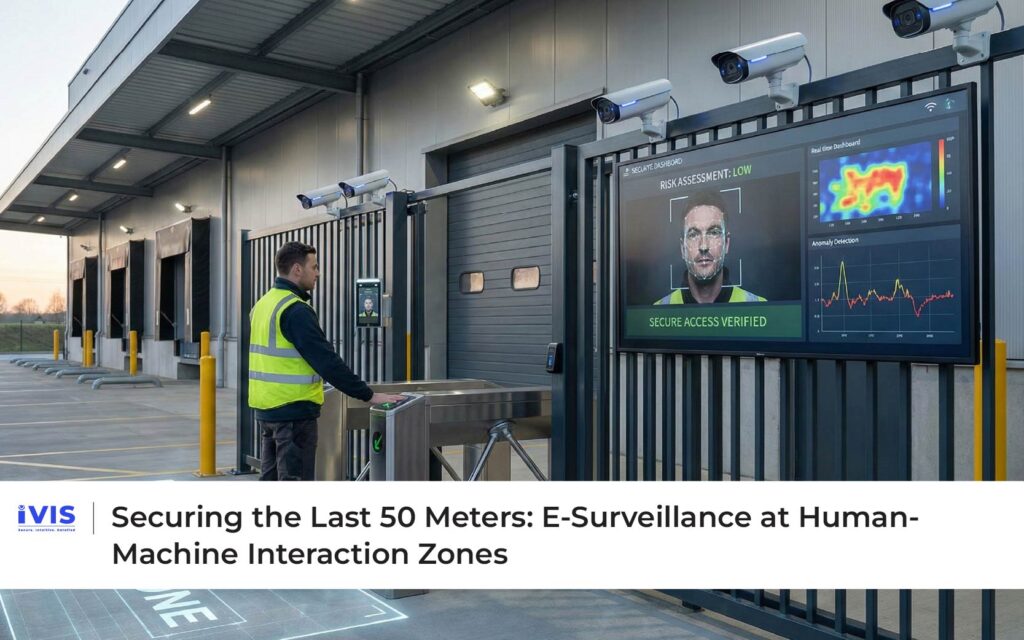
Securing the Last 50 Meters: E- Surveillance at Human-Machine Interaction Zones In modern industrial and institutional environments, the greatest risks do not always lie at the perimeter. They lie much closer, often within the last 50 meters. The final stretch between a worker and a robotic arm. The space between a forklift and a pedestrian footpath. The few feet separating a technician from a high-voltage panel. The zone around a surgical robot in an operating theatre.  These human-machine interaction zones – robot corridors, loading bays, elevators, laboratory benches, diagnostic rooms, automated production lines are where speed, automation, and human judgment converge. And it is precisely in these moments of interaction that risk peaks.  As factories adopt Industry 4.0 systems, hospitals integrate smart equipment, and warehouses automate operations, ensuring safety in these high-stakes micro-environments has become mission-critical. E-surveillance, powered by AI and real-time analytics, is emerging as a key safeguard for securing these “last 50 meters.”  Why Human-Machine Zones Are High-Risk Automation improves efficiency, but it also introduces complexity. According to the International Labour Organization (ILO), workplace injuries remain a significant global concern, with industrial and mechanical environments accounting for a substantial portion of serious incidents. In India and globally, industrial safety data shows that unsafe interaction with machinery, improper lockout/tagout practices, and human error near equipment are leading contributors to workplace accidents.  The U.S. Occupational Safety and Health Administration (OSHA) reports that struck-by and caught-in/between incidents often involving machinery, are among the most common causes of serious injuries in industrial settings. In hospitals, the World Health Organization (WHO) notes that healthcare workers face occupational hazards related to medical equipment, biological materials, and workflow congestion.  In warehouses, the expansion of automation and robotics has improved throughput but increased interaction points between humans and autonomous systems. According to McKinsey’s research on automation in logistics, while robotics increases efficiency, it requires sophisticated safety coordination to minimize collision and proximity risks.  The pattern is clear: when humans and machines operate side by side, risk multiplies unless carefully managed.  The “Last 50 Meters” Concept Security strategies traditionally focus on outer perimeters – gates, fences, and access control points. However, incidents rarely happen at the outer boundary. They happen at the operational edge, where humans physically interact with machinery.  The “last 50 meters” refers to these localized, high-intensity operational zones:  Robot collaboration cells in factories  Conveyor and loading dock areas in warehouses  Elevator lobbies and escalator platforms in commercial facilities  Diagnostic imaging rooms and surgical suites in hospitals  Laboratory benches handling hazardous materials  These spaces are dynamic. Workers move unpredictably. Machines operate at high speed. Environmental factors like noise, fatigue, time pressure, further increase risk.  Securing these zones requires more than perimeter cameras. It requires contextual, behaviour-aware surveillance capable of interpreting movement patterns in real time.  How AI-Powered E-Surveillance Strengthens Interaction Safety Modern AI-driven video analytics can identify unsafe proximities, unauthorized access into restricted robot zones, improper personal protective equipment (PPE) usage, and abnormal movement trajectories.  Unlike traditional CCTV, which records passively, intelligent surveillance systems actively analyze posture, gait, and spatial positioning. For example, if a worker enters a robotic arm’s safety envelope without proper authorization, the system can trigger an alert or initiate an automatic slowdown. If a forklift veers into a pedestrian lane, proximity analytics can flag imminent collision risk.  Research published in IEEE on industrial computer vision demonstrates that AI-based proximity detection significantly improves early hazard identification in collaborative robot environments.  In hospitals, AI-enabled surveillance can monitor compliance with sterile zone protocols or detect overcrowding around critical equipment, reducing procedural errors. The WHO emphasizes that workflow visibility and monitoring improve patient and staff safety outcomes.  The value lies in speed. Milliseconds matter in interaction zones. Real-time detection reduces response time dramatically compared to manual supervision.  From Detection to Prevention The true potential of e-surveillance in human-machine zones is predictive capability. By analyzing patterns over time, AI models can identify recurring near-miss incidents, congestion trends, or unsafe behaviors before accidents occur.  For example, repeated near-collisions between forklifts and workers at a warehouse corner may signal poor layout design. Frequent PPE non-compliance in a manufacturing cell may indicate operational fatigue or insufficient training. Elevator crowding patterns in a hospital may expose emergency bottlenecks.  Studies in safety engineering show that analyzing near-miss data is one of the most effective ways to prevent major incidents. Intelligent surveillance transforms near-miss visibility from anecdotal reporting into quantifiable insights.  This shifts safety management from reactive investigation to proactive redesign.  Enhancing Compliance and Audit Readiness Regulated industries must demonstrate adherence to safety protocols. Manufacturing facilities comply with occupational safety standards. Hospitals align with infection control regulations. Warehouses must follow operational safety mandates.  AI-powered e-surveillance generates time-stamped visual evidence of compliance. It can document PPE adherence, restricted-area access, machine lockout procedures, and safe handling practices.  According to Deloitte’s research on digital risk management, continuous monitoring reduces compliance gaps and improves audit efficiency. Visual analytics provide objective proof that processes are followed, not just documented.  In high-risk environments, that proof matters. Ethical and Privacy Considerations While safety is paramount, deploying surveillance in close-proximity workspaces requires sensitivity. Workers and healthcare professionals must not feel over-monitored or distrusted.  Ethical deployment prioritizes behavior-based analytics over identity tracking. Private spaces remain excluded. Data is encrypted, access-controlled, and retained only as long as necessary.  Global frameworks such as UNESCO’s Recommendation on the Ethics of Artificial Intelligence emphasize transparency and proportionality in AI deployment. Systems must clearly communicate purpose: protecting workers, not policing them.  Trust is a prerequisite for effective safety systems.  The Role of IVIS in Securing Interaction Zones To operationalize safety at the last 50 meters, organizations need platforms capable of unifying multiple data streams and delivering real-time intelligence. This is where IVIS plays a meaningful role.  IVIS integrates AI-driven video analytics across factories, hospitals, and warehouses, enabling centralized oversight of high-risk interaction zones. By applying proximity detection, anomaly recognition, and policy-driven alerts, IVIS helps identify unsafe conditions before escalation.  Its hybrid architecture supports edge-based processing for ultra-low latency in robot cells and loading docks, while maintaining centralized dashboards for compliance monitoring and performance insights. Configurable workflows ensure alerts reach safety officers instantly, enabling rapid intervention.  Importantly, IVIS incorporates secure access controls, audit trails, and data governance mechanisms to align operational safety with regulatory requirements. In practice, IVIS transforms surveillance from passive observation into active operational intelligence at the most

AI Ethics in E-Surveillance: Balancing Privacy and Protection
Blog

AI Ethics in E-Surveillance: Balancing Privacy and Protection

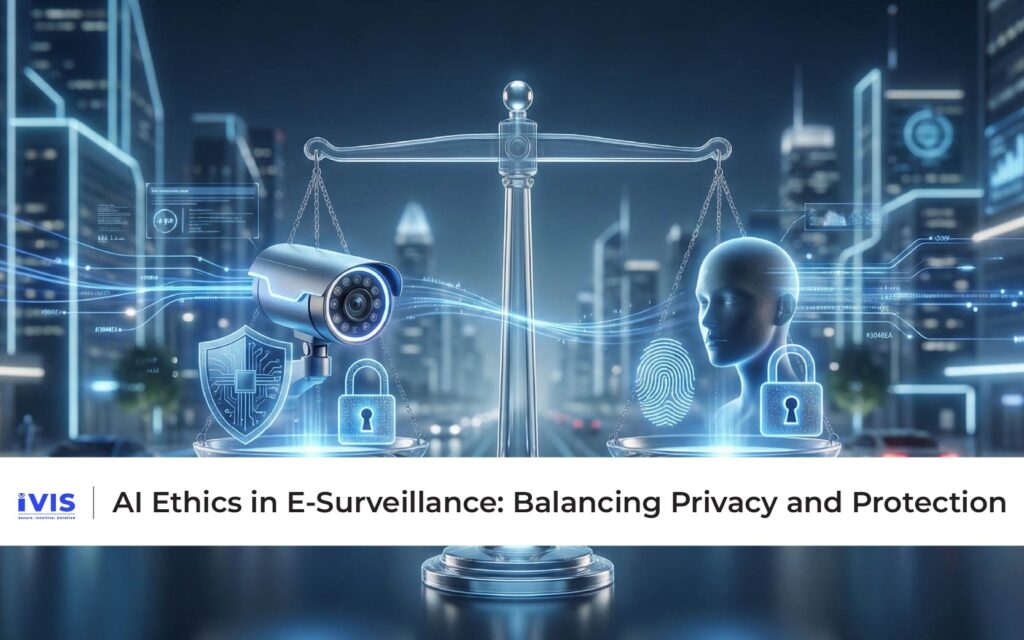
AI Ethics in E-Surveillance: Balancing Privacy and Protection A passenger walked into the metro station. Cameras detect movement, analyse behaviour, and flag potential problems in seconds. In an airport, facial recognition verifies a traveller in under two seconds. Inside a hospital, AI-powered cameras watch over patients for signs of distress.  This is the world we will soon be living in, where AI surveillance systems will silently shape safety, efficiency, and decision-making across cities, workplaces, schools, and airports.   But with this transformation, an equally powerful question will come: How do we use AI to protect people without compromising their fundamental right to privacy?  Modern surveillance is undoubtedly transforming itself. It enhances safety, speeds response time, and brings unprecedented clarity to complex environments. Yet it also touches deeply on human rights, autonomy, and civil liberties. The balance between protection and privacy, between intelligence and intrusion, defines the ethical frontier of AI surveillance today.  The Rise of AI E-Surveillance And the Need for Ethical Rules AI-driven surveillance is expanding rapidly. Computer vision models now detect:  Unauthorized access  Loitering and perimeter breaches  Aggressive behaviour or fights  PPE compliance violations  Crowd surges or unsafe density  Abandoned objects  And they do it faster and more accurately than manual monitoring ever could.  According to MarketsandMarkets, the AI in video analytics market will reach USD 22.6 billion by 2028, driven by demand for automation, urban safety, and operational intelligence.  At the same time, adoption raises deep societal concerns. A landmark report from Stanford’s “AI Index 2024” highlights that AI surveillance has grown in over 70 countries, triggering debates about civil liberties and transparency.  This tension between capability and caution, is exactly where ethical AI frameworks must operate.  What Exactly Makes AI E-Surveillance Ethical? AI ethics in surveillance is fundamentally about ensuring technology that aligns with privacy protection, fairness and lack of bias, transparent use of data, secure handling of video and biometrics, accountability for decisions and respect for human autonomy.  These pillars ensure technology protects communities without overreaching into spaces where it does not belong.  Privacy: The Cornerstone of Ethical Surveillance Surveillance systems handle highly sensitive data. Facial recognition and behavior analytics can identify not just who a person is, but what they are doing and where they are going. This makes privacy protection essential.  The UNESCO Recommendation on the Ethics of AI (2021) stresses that AI systems must incorporate privacy, consent, and data minimization as default settings. The European Union’s GDPR mandates that video used for analytics must be “necessary, proportionate, and limited in scope.”  In practical terms, ethical surveillance means:  Avoiding monitoring in high-privacy zones (washrooms, dormitories, clinics).  Using data minimization storing only what is necessary.  Applying anonymization, such as blurred faces or skeletal tracking, when identification is not essential.  Providing clear signage and informing individuals when they are being monitored.  Several modern systems already adopt privacy-preserving video analytics. For example, research published in IEEE Access shows that anonymized “bounding-box” video still supports analytics without revealing personal identity.  Bias and Fairness: Ensuring AI Does Not Discriminate One of the most widely discussed ethical concerns in AI surveillance is bias where algorithms may misidentify or disproportionately flag certain demographics. Bias often stems from:  limited or skewed training data  environmental factors like lighting  incorrect labeling  cultural or demographic imbalance in datasets  Certain studies revealed that facial recognition error rates were up to 34.7% for darker-skinned women, compared to less than 1% for lighter-skinned men. This doesn’t mean AI should be abandoned, but it demands stronger governance. Ethical best practices include:  validating datasets for demographic diversity  ongoing monitoring for false positives  enabling human review for flagged events  avoiding automated decision-making for high-stakes scenarios  Airports, for example, increasingly use AI only as a verification tool, not as a sole decision-making authority.  Transparency and Consent: People Should Know How AI Sees Them Ethical surveillance also requires openness. Transparency means:  disclosing when and where cameras operate  informing stakeholders about what data is collected  clarifying how long footage is stored  defining who can access analytics dashboards  A 2024 Cisco Consumer Privacy Survey found that 81% of people want companies to be more transparent about how surveillance data is used. In schools, hospitals, and workplaces, transparency becomes even more essential for maintaining trust.  Accountability and Governance: Who Controls AI Decisions? AI can assist, but humans must remain in charge. Ethical systems ensure:  Humans review AI-generated alerts.  AI decisions are logged and auditable.  Clear escalation workflows exist.  Organizations define boundaries for how AI tools may be used.  The NIST AI Risk Management Framework recommends that critical decisions such as access denial, threat escalation, or disciplinary actions should not be fully automated. AI should be a support system, not a replacement for human judgment.  Cybersecurity: Protecting the Protectors Surveillance systems themselves hold high-risk data that must be secured. According to IBM’s 2023 Cost of a Data Breach Report, the average cost of a breach in the public sector is USD 2.6M, with video and biometrics among the most targeted assets.  Ethical surveillance therefore requires:  end-to-end encryption  access control with MFA  secure edge devices  strict data retention policies  regular system audits  AI ethics and cybersecurity are not separate; one cannot be ethical if it is not secure.  Why AI Surveillance Is Still Worth It, When Done Right While concerns around privacy and misuse are valid, ethical AI surveillance remains enormously beneficial when deployed responsibly.  Enhanced Public Safety – Cities like Singapore, London, and Dubai use AI-driven CCTV to reduce crime, detect violence, and manage emergency response. According to the data, CCTV contributed to reductions in public-space crime by up to 15% in monitored zones.  Faster Emergency Response – AI detects fights, falls, crowd surges, or accidents in seconds, reducing response time dramatically. Research shows violence detection models can achieve 94% precision, enabling early intervention in high-risk environments.  Better Crisis Management – During the pandemic, many public spaces used AI analytics to monitor crowd density and compliance, helping ensure safety without intrusive policing. Supporting Healthcare and Education – Ethical surveillance:  prevents patient falls  protects students  monitors restricted zones  reduces bullying and vandalism  helps manage emergencies A study shows that AI video analytics reduced campus

Face Recognition in E-Surveillance Alerts
Blog

Face Recognition in E-Surveillance Alerts

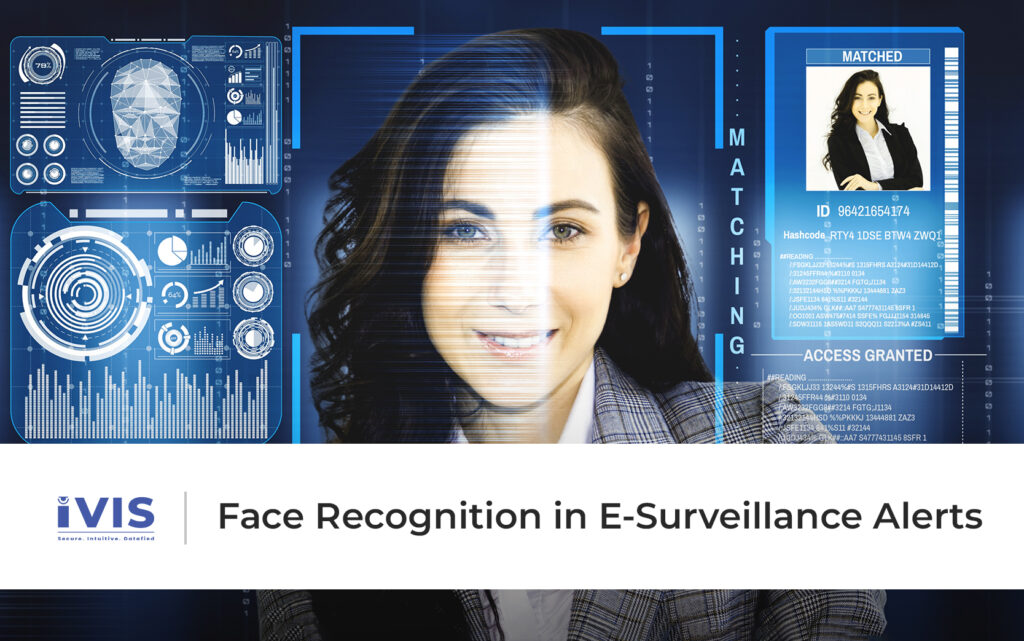
Face Recognition in E-Surveillance Alerts The future of security is staring you in the face. Face recognition now plays a key role in modern e-surveillance alerts. It transforms how organizations respond to threats, manage access, and safeguard people. Advanced systems are on the rise. Outdated surveillance tools no longer meet the mark. A camera without intelligence is just a lens. Face recognition gives it context, accuracy, and speed. E-surveillance alerts driven by facial data are fast, targeted, and highly actionable. It identifies trespassers, tracks employee movement, and flags matches from criminal databases. The technology empowers security teams to act when it matters. No more rewinding hours of footage. No more second guesses. Face recognition turns every captured frame into usable intelligence. The Shift from Motion to Identity Traditional e-surveillance alerts worked on basic motion detection or sensor triggers. A person walks into a restricted area, and the system beeps. But what if that person is authorized? What if it’s a cleaning staff member or an executive? Generic alerts overwhelm operators. They cause alert fatigue and lead to delays in responding effectively. Face recognition brings in identity-based filtering. Instead of reacting to every movement, systems now differentiate between people. Authorized personnel are automatically verified. Unfamiliar faces trigger real alerts. Identity replaces motion as the metric for threat, cutting through the noise. Real-Time Identification Speed is everything in security. Face recognition systems identify individuals in real-time as they approach a location or enter a monitored zone. Integrated with e-surveillance alerts, the system cross-checks each detected face with a stored database in milliseconds. Known threats or watchlisted individuals are flagged immediately. Precision becomes crucial in high-risk environments, such as airports, schools, data centers, and banks. Real-time alerts prevent threats from escalating. Security personnel receive instant data. They know who the person is, where they were seen, how long ago, and what action to take. One face scan can trigger a full chain of responsive measures. Accuracy Backed by AI The success of face recognition in e-surveillance alerts depends on accuracy. AI and machine learning power this precision. Facial features such as nose shape, eye distance, jawline, and bone structure are analyzed against massive datasets. The system learns from false positives, weather conditions, camera angles, and even aging. Today’s face recognition systems claim up to 99.7% accuracy in ideal conditions, according to NIST. They can differentiate between identical twins. They adapt to mask-wearing or low-light environments. AI ensures the system goes beyond recognition. It understands each face with depth and context. Automated Access Control Face recognition is not just for spotting threats. It’s also redefining access control. Authorized individuals gain access without keycards or codes. They walk in with ease. The system matches their face with pre-approved data and unlocks doors, gates, or digital systems. No swiping. No forgetting credentials. These access-based e-surveillance alerts also log every entry and exit, offering a clean audit trail. Facilities can define parameters such as access times, day-based permissions, and area-specific clearance levels. If someone tries to enter outside their approved time or location, the alert triggers automatically. Reducing Human Dependency Face recognition reduces the need for constant human monitoring. Operators no longer need to scan multiple screens, hoping to catch a threat. The system does it for them. It watches every face, compares it in real-time, and alerts security teams only when required. The shift frees human resources for more strategic roles. Instead of sitting in control rooms all day, staff can handle investigations, patrols, or response coordination. AI-enabled e-surveillance alerts lower staffing costs while increasing efficiency. Multi-Camera Coordination Modern face recognition systems are no longer limited to a single feed. They coordinate across multiple cameras placed at different entry points or zones. If an individual shows up on Camera A and later on Camera D, the system instantly links the two events. This tracking creates a movement map. Security teams know where someone entered, how long they stayed, and which areas they visited. If a flagged individual attempts to avoid detection by using a less frequented gate, the system still identifies them. This multi-angle tracking enhances situational awareness. It prevents potential breaches and improves crowd management in larger facilities. Face Databases and Ethical Use Face recognition systems rely on large databases. These can be custom (like employee rosters) or national (like law enforcement databases). Maintaining them requires regular updates, consent frameworks, and strict privacy controls. Ethical use matters. Organizations must inform individuals when face recognition is active. Consent should be clear. Data storage requires strong encryption and restricted access. It must also comply with regulations such as GDPR and India’s DPDP Act. Transparency in how e-surveillance alerts are generated builds trust. It ensures the system is used for safety, not surveillance overreach. Face Recognition at Scale The scalability of face recognition makes it suitable for enterprises, smart cities, hospitals, and even gated communities. Systems can monitor thousands of faces per day without slowing down. Cloud integrations and edge computing reduce latency. Facial alerts help large campuses manage parking access, visitor entry, and perimeter security with significant efficiency. There is no need for multiple verification systems. Everything stays centralized and seamless. Even rural areas with low infrastructure can benefit. Edge-based cameras with embedded face recognition require no heavy bandwidth or high-power servers. Alerts are generated on-device and shared via mobile networks. Facial Intelligence, Delivered by IVIS The value of face recognition lies in how fast and accurately it turns visuals into action. In today’s world, every second matters. Face recognition-powered e-surveillance alerts enable quicker decisions and more timely intervention. These systems do not just detect movement. They understand identity, intent, and patterns. The technology enhances every layer of modern security. It supports access control, real-time tracking, and threat recognition. IVIS provides advanced face recognition solutions as part of its e-surveillance services. These are offered in partnership with Scanalitix. Together, they bring next-generation video analytics to life. Cameras do not just see, they think.

From Warning to Action How E-Surveillance Deters Intrusions​
Blog

From Warning to Action: How E-Surveillance Deters Intrusions

From Warning to Action: How E-Surveillance Deters Intrusions Intrusions are no longer just about a cut fence or a forced lock. They are calculated, fast, and often undetected until the damage is done. This is where e-surveillance shifts the game. An e-surveillance system does not wait for an incident to happen. The technology anticipates. The platform adapts. It turns static video into intelligent decisions that protect people, property, and peace of mind. Security today is not about having more eyes on screens. It is about putting intelligence behind every frame. E-surveillance acts like a digital sentry. The system watches, learns, and takes action. This technology does not just raise the alarm. It turns that warning into a response. The Shift from Analog to Intelligent Traditional CCTV cameras watch. They record. They store. But they do not react. And in high-risk environments, reaction is everything. When a trespasser enters a restricted area or someone lingers too long at a warehouse gate after hours, every moment counts. A few minutes or even seconds can decide the outcome.E-surveillance brings in a proactive layer. The platform connects systems. The solution reads behaviors. The technology flags abnormalities based on learned environments. This setup converts video data into actions such as real-time alerts, voice-down deterrents, and rapid on-site communication. E-surveillance is no longer a luxury for high-end assets. It is a standard for safety-conscious organizations. These include sectors such as retail, construction, logistics, manufacturing, and critical infrastructure. Not Just Motion Detection—It’s Behavior Detection Movement alone is not a threat. A delivery truck may pull up at midnight for a scheduled drop. A cat might trigger a sensor. E-surveillance systems go beyond motion. These solutions track patterns. They differentiate regular activity from the unusual.The real breakthrough is in behavior recognition. Loitering near an exit. Unauthorized entry through less-monitored paths. Fast-paced movements inside sensitive zones. These are indicators that traditional systems miss. Artificial intelligence processes these signals. It learns from regular activities and flags deviations. Teams receive alerts only when necessary. This cuts false alarms. It prioritizes real threats. Multiple Sites. One Dashboard. Managing security across multiple locations is a logistical nightmare. Different systems. Different vendors. No centralized view. E-surveillance solves this. With a single dashboard, teams can monitor warehouses, stores, offices, and depots from one command center. All sites, all feeds, all alerts. Managed in one place.   Such a consolidated view improves response time. It empowers security teams to make faster, coordinated decisions. Furthermore, it saves money by reducing the need for physical patrols and redundant monitoring contracts. Voice-Down Alerts: The First Line of Defense One of the most effective deterrents is the voice-down system. When someone steps into a restricted area, the system speaks. Loudly. Clearly. It warns the intruder that they are being watched. The authorities are being alerted. This instant intervention changes the equation. In most cases, the intruder flees. The intrusion stops before it starts. It eliminates the lag between detection and action. Studies show that 76% of convicted burglars report avoiding properties with visible cameras and audible warnings. The psychological impact of being watched and directly confronted triggers fear. It forces retreat. Intelligent Than Guards. Cheaper Than Patrols. On-ground guards have their place. But humans miss things. Human guards get tired. Security personnel overlook patterns. A physical presence cannot be everywhere at once.E-surveillance complements human oversight with digital consistency. The system never sleeps. The technology never blinks. It reviews hours of footage in minutes. This solution filters out the noise and delivers what matters. Organizations save significantly on staffing costs. Organizations reduce liability. Businesses avoid losses from theft or downtime. In return, they gain a system that gets sharper over time. Evidence That Speaks When incidents happen, the aftermath matters. Who entered? When? What route did they take? Were there prior warning signs? E-surveillance answers all of this. The system keeps logs. The platform timestamps movements. The solution stores high-quality evidence. This speeds up investigations and strengthens legal proceedings. The insurance claims process is quicker with clear visual proof. Law enforcement can act with confidence. Internal compliance checks become easier. Every action is traceable. Adapting to Environments A construction site is not the same as a retail store. A logistics yard is not a hospital. E-surveillance adapts to each setting. Intelligent e-surveillance learns over time. It understands delivery schedules, employee shift patterns, visitor access points, and more. This ability to adapt is what makes it truly intelligent. What starts as a standard surveillance system evolves into a tailored security ally.   The ability to learn and adapt is what gives businesses an edge. Modern systems are not reacting to threats. They are evolving with them. Integration with Access Control E-surveillance integrates with access control systems. Badge entries. Biometric scans. Vehicle number plate recognition. All combine with live video to track who entered and what they did.   Unauthorized access attempts can trigger instant responses. Doors can auto-lock. Security teams can intervene with live communication. Every entry is accounted for. This synergy closes loopholes that intruders rely on. It creates a sealed environment where every movement is logged and verified. Beyond Intrusion—Operational Insights While security is the core goal, e-surveillance brings unexpected value. The system tracks employee movement. Advanced surveillance identifies workflow bottlenecks. It helps optimize floor layouts for safety and efficiency. In retail, it monitors customer flow. In warehouses, it flags unsafe practices. In parking zones, it prevents congestion. Every camera becomes a tool for safety and business intelligence. Over time, surveillance transforms into a strategic function. No longer a cost center but a driver of value. Ready for the Unknown Threats are evolving. Thieves are using drones. Saboteurs use disguises. Some test systems register multiple false entries before detecting an actual breach.   E-surveillance is not just keeping pace with today’s landscape. The technology is redefining how security and intelligence work together. The system prepares for tomorrow. The system updates automatically. It adds layers like thermal imaging, audio analytics, and license plate databases. As threats evolve, the system adapts

How Face Detection Devices Improve Workplace Security
Blog

How Face Detection Devices Improve Workplace Security

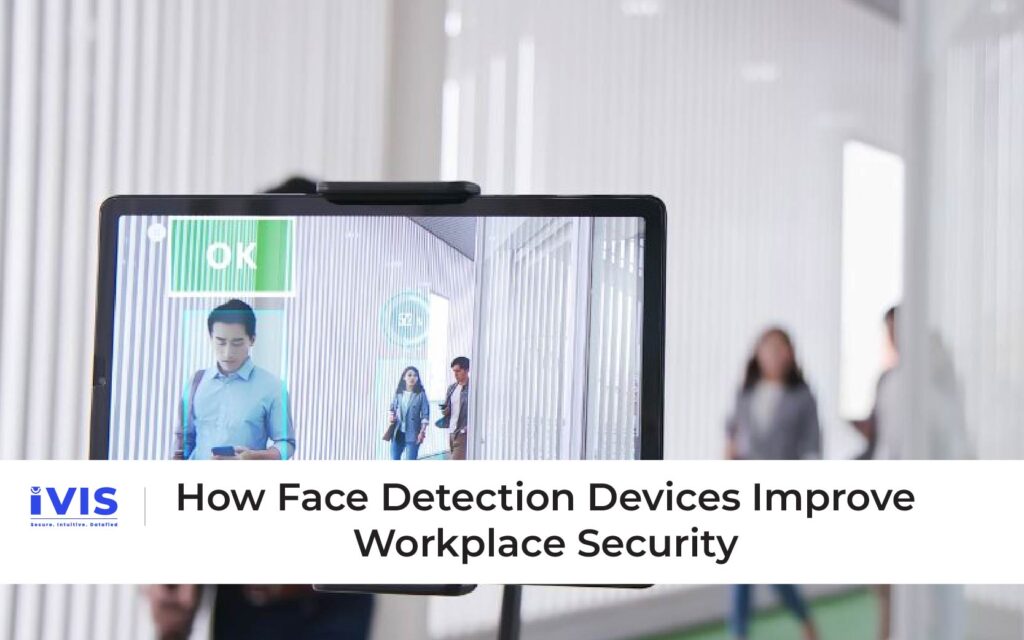
How Face Detection Devices Improve Workplace Security Workplace security has evolved dramatically. Traditional access cards, punch clocks, and manual attendance logs are no longer enough. Organizations now seek faster, more secure, and more intelligent systems to safeguard assets and people. That is where face detection devices take center stage. These advanced systems provide a reliable and contactless way to identify individuals with accuracy and speed. They verify faces in real-time, granting or denying access based on permissions. In high-security environments, these devices are essential. They do not just manage entry but become central nodes in a larger ecosystem of digital surveillance, time management, and incident prevention. Eliminating Unauthorized Access Tailgating and unauthorized entry can compromise the entire security of a facility. With face detection technology, access becomes strictly individual. The system grants access only after scanning facial features and matching them with pre-approved identities. Such a system reduces the risks associated with stolen access cards and shared PINs. Each face is unique. It cannot be borrowed, replicated easily, or left behind at home. Advanced facial recognition algorithms further ensure that even minor changes in appearance are considered. Real-Time Monitoring and Alerts Security teams require instant insights the moment an incident occurs. Face detection systems offer real-time monitoring. If someone attempts to gain entry using a fake image or altered facial features, the system immediately alerts administrators. Some systems also flag known blacklisted individuals. When someone on a watchlist is detected, the system alerts the relevant authorities. This is especially important in high-security environments such as research labs, financial institutions, and government facilities. Improved Access Control Management These devices do more than open doors. They serve as intelligent access control systems. Companies can assign access zones based on job roles. A finance department employee may not need access to an industrial warehouse. These distinctions can be programmed into the device, eliminating the need for multiple keys or badges. It also simplifies operations for HR and IT departments. With a single scan, the system logs entry and exit times, reducing the need for manual updates and spreadsheets. Touchless Entry Promotes Hygiene Global events underscored the importance of hygiene. As a result, many businesses adopted contactless technologies. Face detection devices support this shift. Unlike fingerprint scanners or ID cards that need physical contact, these systems are 100% touchless. No more queues at biometric readers. No more concerns over multiple people touching the same surface. This also means fewer maintenance issues related to the wear and tear of keypads or card readers. Attendance Automation Time theft costs employers billions every year. Traditional time clocks are often manipulated. Face detection solves this. It confirms employee identity and automatically logs working hours. This data feeds directly into payroll systems. Accuracy is higher. Employees are held accountable for the hours they work. Managers spend less time correcting attendance reports. This boosts productivity and ensures fair wage practices. Emergency Management and Evacuation In emergencies, knowing who is inside a building can save lives. Face detection devices help track occupancy in real-time. During a fire or lockdown, the system generates instant reports. It shows who entered, when, and whether they exited. Security teams can share this data with emergency responders. In critical moments, having this visibility can make all the difference. Manual logbooks or card swipes can never offer this kind of accuracy and immediacy. Integration with E-Surveillance and IoT Modern security systems thrive on integration. Face detection devices connect with surveillance cameras, alarms, motion detectors, and even HVAC systems. This enables intelligent decision-making. For instance, if someone enters a restricted zone without authorization, the system can immediately lock the doors. It can also trigger alarms and notify security within seconds. This kind of automation was impossible with manual systems. Integration also enhances energy efficiency. Lighting and air conditioning systems can be activated based on face-based presence detection, reducing unnecessary usage. Data and Analytics for Advanced Decisions Face detection devices collect data every time they scan a face. This data offers valuable insights. Security managers can analyze foot traffic, peak entry times, or frequent zone crossings. These insights help optimize workflows and refine security protocols. Such analytics are not just limited to security. HR can track attendance patterns. Facility managers can assess occupancy trends for better space planning. Businesses can make intelligent, evidence-based decisions using data that was previously inaccessible. Enhanced Visitor Management Managing external visitors has always been tricky. Paper logbooks are slow and insecure. Face detection devices simplify this. Visitors can pre-register by uploading a selfie or have their photo captured upon arrival. Their details are stored for compliance and follow-up if needed. The system restricts their movement to approved zones. It also keeps time-stamped records of their entry and exit. This improves security and enhances the visitor experience. MarketsandMarkets reports that the facial recognition market is projected to grow from USD 5.1 billion in 2023 to USD 12.7 billion by 2028. This surge reflects growing trust and adoption in both the private and public sectors. Preventing Insider Threats Not all threats come from outsiders. Employees with malicious intent can do considerable harm. Face detection creates digital trails. It logs every movement and every door unlocked. This discourages internal breaches. Employees know they are being monitored by systems that do not forget. If something goes wrong, forensic analysis becomes easier. You can trace who was where, at what time, and for how long. Compliance with Safety and Legal Standards Numerous industries must adhere to strict safety regulations and data protection laws. Face detection systems help meet these regulations. Whether it is GDPR compliance in Europe or OSHA requirements in the US, these systems offer built-in features for secure data handling. Access logs are encrypted. Permissions are role-based. Only authorized personnel can view, export, or manipulate the data. This ensures that sensitive employee information is protected, reducing legal risk. Scalable Across Multiple Locations Companies with multiple offices or branches face a challenge in standardizing access control. Face detection systems scale easily. A centralized dashboard allows seamless management

Scroll to Top