Write to us about any queries you have

Contact Form Demo

Monitoring Services

How E-Surveillance Helps Retail Businesses Minimize Losses​
Blog

How E-Surveillance Helps Retail Businesses Minimize Losses

How E-Surveillance Helps Retail Businesses Minimize Losses Retail moves fast and operates on tight margins. Every dollar lost to theft, fraud, or inefficiency cuts directly into profits. Shrinkage continues to plague retail stores. Retail theft caused losses of $112.1 billion in 2022, according to the National Retail Federation. Organized retail crime played a significant role in the surge. In this environment, businesses require more advanced solutions. E-surveillance is no longer optional; it is essential. From monitoring aisles to flagging suspicious activity, modern e-surveillance protects people, products, and profits. Retailers across the globe now rely on AI-powered e-surveillance systems. These systems do more than record. They analyze behavior, deter threats, and deliver valuable insights. This results in reduced losses, stronger operational control, and a higher return on investment. Retail Losses Are Not Just About Theft Retail loss happens in more ways than one. Internal theft, customer fraud, shoplifting, refund scams, and operational errors all contribute to significant losses. Traditional CCTV systems act as a deterrent, but they do not catch patterns, spot incidents in real time, or automate analysis. E-surveillance changes the game. With integrated sensors, intelligent video analytics, and cloud-based access, modern surveillance platforms transform passive footage into active intelligence. These systems detect behavior anomalies. The technology notifies staff of potential threats. The platform provides audit trails that help resolve disputes. Losses go down. Accountability goes up. Real-Time Monitoring Reduces Human Error Retail staff cannot be everywhere. Aisles stay unmonitored. Stockrooms become vulnerable. Transactions slip through with no oversight. E-surveillance fills these gaps. The system monitors continuously. It flags what humans miss. Cameras embedded with motion tracking and AI behavior analysis detect lingering customers, shelf-sweeping patterns, or unauthorized access. Managers receive instant alerts. Supervisors take action before incidents escalate. Employees stay vigilant, aware that the system captures everything, even when they are not observing. Intelligent Detection Limits Internal Theft Internal theft is one of the most costly and complex forms of retail loss to detect. Employees know the systems. They find loopholes. Cash register manipulation, discount abuse, and fake returns are tactics that often go unnoticed. E-surveillance tracks these patterns over time. Linking POS data with video footage ties each transaction directly to visible actions. When a refund is issued, the system displays the corresponding video of both the employee and the customer. There is no room for ambiguity or assumptions. Just facts. It empowers managers to investigate with confidence. Data-Driven Insights Improve Store Layout E-surveillance extends beyond loss prevention. It improves business decisions. Heatmaps generated from camera data uncover detailed customer traffic patterns. Store owners learn which areas attract the most customers and which ones stay idle. That knowledge helps rearrange layouts, optimize shelf placement, and improve customer experience. Footfall analytics also contributes to better staffing. If a system detects peak hours consistently between 5 and 7 PM, managers adjust shifts. Adding more staff improves customer service and increases conversion rates. E-Surveillance Deters Organized Retail Crime Organized Retail Crime (ORC) rings operate with a strategy. Groups target stores repeatedly. These groups steal large volumes in short timeframes. The stolen goods are resold through illegitimate channels. Basic cameras offer little resistance. Advanced e-surveillance adds friction. License plate recognition tracks known vehicles. Face recognition tools identify repeat offenders. Audio deterrents, such as voice-down alerts, directly engage intruders. Criminals think twice when systems react immediately. These layers create active deterrence. The goal is not just to catch criminals. The focus is on preventing them from entering in the first place. Incident Investigation Gets Easier and Faster After an incident, the manager’s time should not be wasted reviewing hours of footage. E-surveillance systems make evidence retrieval fast. Metadata tagging, searchable video timelines, and AI filtering reduce investigation time. Instead of watching hours of video, managers search keywords like “unauthorized access” or “after-hours movement.” The system brings up relevant clips. This simplified process accelerates dispute resolution, enhances incident reporting, and strengthens legal support. Compliance and Liability Management Simplified Retailers often face lawsuits or claims related to slips, falls, or customer altercations. Without proper evidence, businesses remain exposed. E-surveillance documents events accurately. It timestamps every occurrence. That video becomes proof. Insurance companies appreciate documentation. So do legal teams. With high-quality footage, claims can be validated or dismissed quickly. Compliance improves. Risk lowers. Stores become safer environments for both customers and employees. Cloud-Based Access Keeps Retailers in Control Retailers with multiple locations often face challenges in monitoring all their stores effectively. Traditional systems require on-site checks or local downloads. E-surveillance with cloud access changes that allow managers to monitor every location in real time from a single, centralized platform. Owners access live feeds from any location, using a secure dashboard. Centralized monitoring means policies remain consistent. Managers can review incidents, verify that store procedures are followed, and maintain full control from any location. It reduces dependency on local staff and strengthens brand-wide security protocols. Integration with Other Systems Boosts Efficiency E-surveillance does not work in isolation. It integrates with access control, point-of-sale, inventory tracking, and more. A unified system captures and analyzes every event, from door entries to register transactions, in a single streamlined process. This integration prevents fraud at the root. A mismatched inventory count triggers a review. A manual override on the register flags the camera. Every piece connects to a larger picture. Decisions become proactive, not reactive. Choosing the Right E-Surveillance Partner Not all systems offer the same benefits. Some record. Others analyze. The best ones do both and more. Retailers should look for platforms that are scalable, adaptable, and secure. Cloud compatibility, AI analytics, remote alerts, and seamless integrations should be non-negotiable features. Hardware matters, but software makes the difference. Systems that adapt over time, learn from behavioral patterns, and provide centralized control give retailers a clear advantage. Why IVIS Is the Efficient Choice E-surveillance has redefined how retail stores secure assets, monitor behavior, and reduce losses. It replaces guesswork with data, passive recording with intelligent response, and scattered footage with centralized insight. Shrinkage drops. Confidence rises. IVIS delivers this next-generation e-surveillance

The Shift to Intelligent Surveillance in Healthcare
Blog

The Shift to Intelligent Surveillance in Healthcare

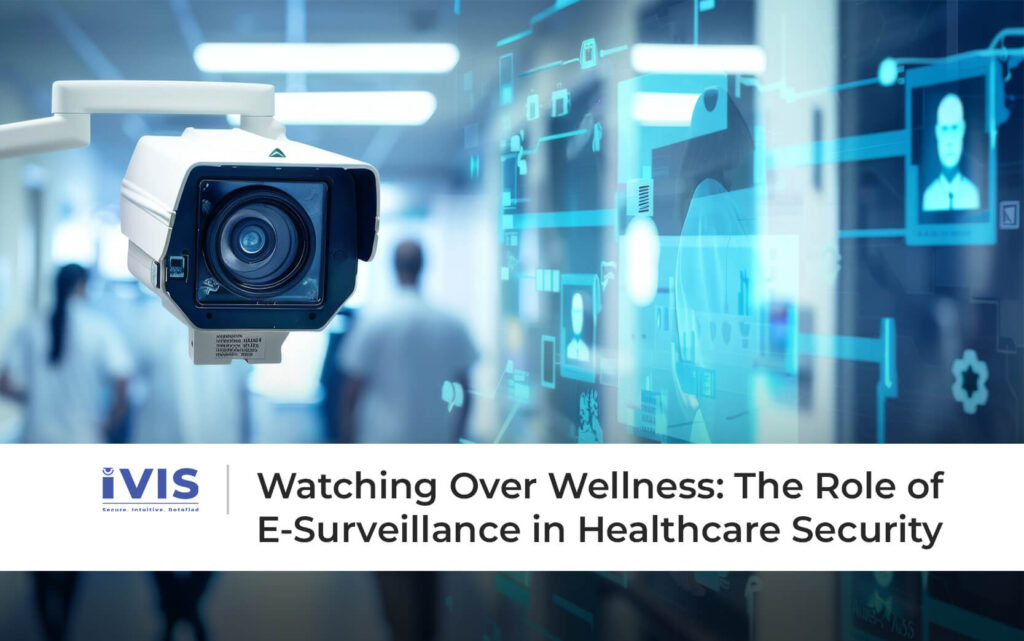
The Shift to Intelligent Surveillance in Healthcare Intelligent surveillance is transforming healthcare environments. Medical teams face rising patient complexity, higher safety demands, and an urgent need for efficiency. Outdated monitoring systems can’t keep up. Facilities need advanced solutions, and intelligent surveillance provides them. Healthcare now demands continuous insight around the clock, not just observation. Administrators look for systems that reduce risk. Clinicians need tools that support faster response times. Patients expect a higher level of safety. Technology must go beyond cameras and alerts. It must provide real-time intelligence that drives decisions. That is what intelligent surveillance does. Conventional Monitoring Can’t Keep Up Most hospitals still rely on manual observation, video footage, and periodic rounds. These methods miss events and consume staff hours. Relying heavily on human attention makes them vulnerable to fatigue and error. Security footage often goes unreviewed. Logs do not connect with EMRs. Staff can’t be everywhere at once. Patient falls, unauthorized access, and sudden medical deterioration often go unnoticed until it’s too late. Workforce shortages amplify the problem. A single nurse is responsible for monitoring multiple patients and systems. Manual workflows often lead to gaps in observation. Technology must fill those gaps. What Intelligent Surveillance Offers Intelligent surveillance replaces reactive monitoring with real-time, AI-powered insight. These systems combine video analytics, machine learning, and sensor data to detect unusual behavior. They recognize patterns and alert staff instantly. Hospitals shift from watching to knowing. Instead of waiting for something to go wrong, intelligent systems anticipate risk and notify the right people. Surveillance becomes an active tool, not a passive one. Capabilities include: Bed-exit detection and fall prevention Facial recognition for secure access Real-time location tracking of staff and equipment Heat mapping for workflow optimization Contactless vital signs monitoring Alert generation based on predictive modeling These systems reduce alarm fatigue by filtering out false alerts. These systems connect with hospital infrastructure, including electronic medical records, security systems, and building access controls. Surveillance becomes a hub of insight, not an isolated system. AI and Computer Vision in Action AI powers intelligent surveillance. Algorithms learn patient behavior, staff patterns, and normal activities. They detect changes in posture, facial expression, movement, and walking speed. The system responds in real-time. Computer vision detects when a patient leaves the bed or enters a restricted area. It recognizes aggressive behavior or distress. It can even assess pain levels through facial analysis. These insights help staff intervene faster and more effectively. The system evolves with use. More data equals better detection. Hospitals benefit from self-learning surveillance that adapts to changing environments. A Proven Impact Across Care Settings Hospitals, clinics, and elder care facilities already use intelligent surveillance to improve outcomes. ICU nurses receive alerts when patients show signs of deterioration Behavioral health units prevent escalation by detecting early agitation Long-term care centers avoid falls by recognizing risky movements Emergency departments manage crowd flow with real-time analytics Infection control teams trace exposure through movement data According to a 2023 MarketsandMarkets report, AI in the healthcare market will grow from $20.9 billion in 2024 to $102.7 billion by 2028. This surge reflects the increasing reliance on intelligent technologies for care delivery and operational management. Hospitals can’t afford not to adopt intelligent surveillance. Lives depend on fast, accurate detection and action. Security and Compliance in Focus Surveillance must respect privacy and regulatory demands. Intelligent surveillance systems use encryption, secure access controls, and audit logs to ensure data protection. They anonymize footage, limit access based on roles, and track every system interaction. Healthcare facilities must comply with HIPAA, GDPR, and local regulations. Intelligent surveillance helps achieve compliance. It provides full traceability, secure storage, and real-time access logs. Data is both protected and actionable. Hospitals also benefit from transparency. Visitors and patients see signage explaining surveillance use. Trust grows when patients know surveillance exists for their safety, not intrusion. Intelligent Surveillance vs. Traditional CCTV CCTV systems record. Intelligent surveillance interprets. That difference matters. CCTV is reactive. Intelligent surveillance is proactive. CCTV requires human review. Intelligent surveillance analyzes events in real-time. CCTV footage often sits unused. Intelligent surveillance drives live alerts and dashboards. CCTV is siloed. Intelligent surveillance integrates with hospital systems. This shift delivers value beyond safety. Facilities gain operational efficiency, staff workflow optimization, and better clinical outcomes. Why IVIS Leads in Intelligent Surveillance IVIS provides intelligent surveillance solutions tailored for modern healthcare environments. The platform integrates artificial intelligence, video analytics, and secure infrastructure into a unified system. These solutions enhance clinical workflows, strengthen facility security, and reduce administrative workload. With IVIS, healthcare organizations gain access to: Real-time risk alerts for patient safety Integrated dashboards across multiple hospital systems Secure facial and behavior recognition Flexible zone settings for different departments Custom reporting and data export for audits and reviews The IVIS team collaborates with healthcare providers to implement solutions optimized for specific care settings, including intensive care units, geriatric wards, emergency departments, and mental health facilities. This approach enables organizations to stay ahead of potential risks rather than respond after the fact. Operational Benefits Intelligent surveillance improves more than safety. It enhances efficiency across the board. Reduces false alarms and alert fatigue Lowers response time to patient distress Reduces liability through incident documentation Optimizes staff allocation via heatmaps Tracks resource usage for cost control Enhances regulatory reporting with digital audit trails Hospitals that use intelligent surveillance report higher staff satisfaction, improved patient feedback, and reduced incidents. Technology enables people to work smarter, not harder. Implementation Doesn’t Disrupt Intelligent surveillance improves more than safety. It enhances efficiency across the board. Reduces false alarms and alert fatigue Lowers response time to patient distress Reduces liability through incident documentation Optimizes staff allocation via heatmaps Tracks resource usage for cost control Enhances regulatory reporting with digital audit trails Hospitals that use intelligent surveillance report higher staff satisfaction, improved patient feedback, and reduced incidents. Technology enables people to work smarter, not harder. Implementation Doesn’t Disrupt IVIS designs systems for seamless integration. Implementation does not require significant infrastructure changes. The solution works with existing networks, camera systems,

Advanced ATM E-Surveillance: Reducing Vandalism and Downtime
Blog

Advanced ATM E-Surveillance: Reducing Vandalism and Downtime

Advanced ATM E-Surveillance: Reducing Vandalism and Downtime You approach an ATM to withdraw some cash and find the machine vandalized. The screen is cracked, the keypad is smashed, and a hastily printed “Out of Order” sign is taped over it. This is not just frustrating for you as a customer. It is a warning sign for banks and ATM operators, pointing to bigger issues like rising crime, increased downtime, and lost trust. That is why ATM e-surveillance has become more critical than ever. It is the first defense against such expensive disruptions. In the digital age, ATM e-surveillance is no longer just a passive system that collects video footage. It has become a frontline defense mechanism. Modern ATM security technologies have advanced dramatically, integrating artificial intelligence, real-time alerts, and remote monitoring to reduce vandalism and downtime while protecting assets and people. The Hidden Toll of ATM Vandalism Vandalism is not always about stealing money. Often, it is about disabling a machine, gaining unauthorized access, or causing disruption. According to the ATM Industry Association’s 2025 quarterly crime report, smash-and-grab attacks accounted for over 28% of all ATM physical attacks in the first quarter. That number rose to more than 45% in the fourth quarter of last year, causing extensive damage and significant repair costs. These figures do not account for lost revenue, potential security breaches, or the reputational damage that can result. Even more concerning is the impact on machine uptime. A vandalized ATM can remain offline for 12 to 24 hours, depending on the severity of the damage and how quickly maintenance teams can respond. During that downtime, customer frustration grows, and competitors benefit. For banks with large ATM networks, these interruptions can quickly escalate into millions of dollars in lost income. This is why ATM e-surveillance is no longer just a defensive tool. It has become a strategic investment in both customer satisfaction and operational efficiency. The Evolution of ATM E-Surveillance Technology As threats have become more sophisticated, so have the tools to counter them. Today’s ATM e-surveillance systems are no longer just focused on recording footage. They are designed to prevent incidents before they happen. With intelligent, faster, and more connected technology, ATM security has evolved into a new era. ATM e-surveillance has moved far beyond simple CCTV setups. Let us take a deeper look: AI-Powered Monitoring Today’s e-surveillance systems are not just watching. They are also interpreting and analyzing behavior in real-time. AI-powered cameras can distinguish between normal behavior (e.g., a person withdrawing money) and suspicious activity (e.g., someone lingering at the ATM, trying to pry open compartments, or masking their face). These intelligent systems send real-time alerts to security teams, reducing response time and deterring vandalism before damage occurs. 24/7 Visual Coverage with Enhanced Resolution Gone are the days of grainy, low-resolution black-and-white videos. Modern ATM e-surveillance uses HD or 4K cameras, often with night vision capabilities. This ensures high-quality visual records that can assist in investigations and insurance claims. The visible presence of such cameras also deters many would-be vandals. Advanced Integration with Banking Systems Advanced e-surveillance systems can integrate directly with an institution’s ATM management software. This integration means video feeds can be linked to transaction data, helping to verify legitimate activity or investigate fraud. It also allows for real-time status checks on ATM performance, helping to distinguish between a system fault and potential tampering. Real-World Impacts: When E-Surveillance Works There is compelling evidence that ATM e-surveillance technology is making a measurable difference in reducing criminal activity and minimizing downtime. Some financial institutions have reported significant cost savings and fewer repeat incidents after implementing intelligent e-surveillance tools across their ATM networks. These results show that modern security is not just a protective measure. It is a proactive solution that deters crime and improves service availability. The Role of Remote Monitoring and Rapid Response When something goes wrong at an ATM, speed matters. The longer a unit remains out of service, the greater the disruption and the higher the risk. Thanks to cloud-connected e-surveillance platforms, ATM operators can receive alerts instantly when something’s amiss. Whether it is suspicious motion, an impact detected by sensors, or an unauthorized access attempt, the system can notify staff in real-time. Security personnel no longer need to be physically near the ATM to assess the situation. With live video feeds and detailed logs, they can evaluate remotely whether to dispatch help, shut down the ATM, or reset a system. This immediate awareness drastically cuts downtime. What once took hours to detect and respond to now takes minutes. Even better, some issues can be resolved off-site. Remote technicians can reset software or run diagnostics without an expensive truck roll. Enhancing Customer Trust and Satisfaction It is easy to overlook the customer experience in a conversation about security. However, ATM availability and safety play a significant role in public trust. No one wants to use an ATM that feels sketchy or appears damaged. Customers expect machines that function reliably, are well-lit, and are visibly monitored. By reducing vandalism and ensuring that ATMs remain operational, banks and operators send a clear message: “We care about your safety and your time.” Furthermore, when a machine is protected by obvious security features like visible cameras, warning signs, or speaker systems that broadcast alerts, it discourages crime. At the same time, it reassures users. A well-guarded ATM becomes a beacon of reliability, driving repeat usage and brand loyalty. From Prevention to Prediction Perhaps the most exciting frontier in ATM e-surveillance is the move from reactive protection to predictive analytics. E-surveillance systems now gather and analyze data over time: patterns of suspicious behavior, peak risk hours, geographic crime trends, and environmental triggers. With enough data, security teams can anticipate threats and proactively reinforce vulnerable locations. For example: A particular ATM that logs frequent after-hours loitering might be flagged for extra security patrols. Areas that experience high temperatures and power fluctuations could trigger hardware warnings and prompt preventive maintenance. Holiday weekends might show increased risks of vandalism,

Cloud Surveillance for Multi-Site Security
Blog

Cloud Surveillance for Multi-Site Security

Cloud Surveillance for Multi-Site Security As businesses expand across cities, countries, and continents, managing security across multiple locations becomes increasingly complex. Traditional on-site surveillance systems often fall cumbersome to control, are hard to scale, and are expensive to upgrade. Enter cloud surveillance: an intelligent, more scalable solution changing the game for multi-site security. You might be managing a chain of retail stores, a network of offices, or multiple industrial sites. Cloud surveillance gives businesses the flexibility and control to maintain security at every location, regardless of the setup. Why Multi-Site Businesses Are Turning to the Cloud Managing security for one site is challenging enough. Multiply that by five, ten, or fifty locations, and the complexity skyrockets. Cloud surveillance is emerging as the go-to choice for multi-site organizations. 1. Centralized Management Cloud platforms give security teams one unified dashboard to monitor all locations in real-time. Users can access live feeds and recorded footage from anywhere using a laptop, tablet, or smartphone. This eliminates the need to log into multiple systems or travel between sites. Centralized control saves time and ensures consistent policies and standards across all locations. Cloud systems streamline the process of checking for compliance, reviewing incidents, and auditing security protocols. 2. Scalability and Flexibility With traditional systems, scaling surveillance across multiple sites often involves significant upfront investment and complex installation. Cloud surveillance removes many of those hurdles. Adding new cameras or sites is as simple as connecting them to the cloud platform. There is no need for additional servers, complex wiring, or IT overhaul. This flexibility allows businesses to grow confidently, knowing their security system can expand alongside them. 3. Remote Access and Monitoring Remote monitoring is one of the most powerful features of cloud surveillance. From headquarters, a regional office, or even while traveling, security managers can: Watch live video feeds Review past incidents Set up and receive alerts Adjust settings and permissions Having substantial visibility and control is especially important during emergencies or after hours. In such situations, immediate access to footage can be crucial. 4. Cost Efficiency While cloud surveillance often involves a monthly or annual subscription, it eliminates many hidden costs tied to traditional systems: No need for on-site servers or storage hardware Reduced maintenance and IT support Fewer physical site visits Cloud-based systems handle updates automatically, eliminating the need for manual patching or upgrades. This reduces labor costs and the risk of system disruptions. 5. Better Security and Compliance Cloud providers invest heavily in securing their infrastructure. In many cases, their security measures exceed what most individual businesses can implement independently. This means data is: Encrypted during transmission and storage Backed up regularly Protected with multi-factor authentication and access controls Industries with strict compliance requirements, such as finance, healthcare, and retail, must carefully manage video data. Cloud surveillance ensures this data is handled according to the latest standards and regulations. According to Allied Market Research, the global video surveillance storage market was valued at $12.3 billion in 2021 and is projected to reach $39.5 billion by 2031, growing at a CAGR of 12.3% between 2022 and 2031. Real-World Use Cases Cloud surveillance is more than just a technological upgrade. It provides practical benefits in everyday operations. To better understand its value, let us explore how it works in practice across different industries: Retail Chains Retailers often struggle with shrinkage, customer incidents, and staff safety. Cloud surveillance allows regional managers to: Spot patterns of theft or suspicious behavior Ensure compliance with customer service standards Monitor store openings, closings, and staffing remotely Cloud systems integrate easily with POS (Point of Sale) systems, enabling enhanced analytics and quicker incident resolution. Corporate Offices Corporate offices now experience fluctuating occupancy levels with the rise of hybrid work. Cloud surveillance provides: After-hours monitoring Access control integration Visitor tracking and video verification In a break-in or emergency, security teams can instantly share footage with authorities or internal stakeholders. Logistics and Warehouses Supply chain facilities rely heavily on secure operations. Cloud systems help monitor: Loading and unloading zones Employee workflows Equipment usage and safety compliance Multi-site warehouse operations benefit from centralized video analytics. These tools help identify operational bottlenecks and reduce downtime. Key Features to Look For in a Cloud Surveillance System Not all cloud surveillance platforms are created equal. When evaluating solutions for multi-site use, prioritize systems with: High-definition video recording (at least 1080p) AI-powered analytics for motion detection, facial recognition, or object tracking Customizable alerts via email, SMS, or app notifications Role-based user access and audit logs Data redundancy and automatic backups Integration capabilities with third-party systems (like access control or incident management) These features empower security teams to do more than monitor. They allow them to prevent incidents proactively and respond in real-time. Common Misconceptions About Cloud Surveillance As cloud surveillance continues to gain traction, some lingering misconceptions still hold businesses back. These misunderstandings can create unnecessary hesitation and prevent organizations from fully realizing the benefits. Despite its advantages, some businesses hesitate to adopt cloud surveillance due to common myths: “Cloud is not secure enough.” In reality, cloud platforms typically offer enterprise-grade security, including encryption, access logs, and multi-factor authentication. When properly configured, cloud systems are often more secure than legacy on-premises setups. “The internet is not reliable enough.” Most modern cloud cameras feature local failover storage. This implies they will continue recording even if the internet goes down and then sync once the connection is restored. “It is too expensive.” Although there is a recurring cost, cloud surveillance can be more cost-effective in the long run. This is due to reduced maintenance, lower hardware expenses, and less operational overhead. Enhanced Security with the Cloud Cloud surveillance is more than a modern convenience. It is a strategic investment for businesses managing multiple locations. Real-time visibility, central control, and seamless scalability are key features of the system. Together, they provide the tools needed to protect assets, people, and operations with confidence. Whether running a few retail outlets or dozens of logistics sites, the shift to cloud surveillance is not just inevitable. It

Monitoring Services That Go Beyond the Screen
Blog

Monitoring Services That Go Beyond the Screen

Monitoring Services That Go Beyond the Screen In e-surveillance, the traditional focus has long been on watching live video feeds and reacting to events as they unfold. But today, technology is pushing the boundaries far beyond just watching screens. Advanced monitoring services now integrate AI-powered analytics with sophisticated video management systems (VMS). Together, these technologies are transforming the way security is managed. This transformation is opening new possibilities for keeping spaces safe and for empowering businesses and organizations with valuable insights. Let us dive into how monitoring services that go beyond the screen are changing the game. The Traditional E-Surveillance Mindset For decades, security teams relied heavily on human eyes glued to monitors, watching multiple camera feeds in real-time. This reactive model requires security personnel to wait and respond after an event, such as suspicious movement, an intrusion, or an emergency. It was necessary, but far from perfect. The biggest challenge is that human attention can diminish over time. Monitoring long hours of video footage is exhausting and can lead to fatigue and missed alerts. Additionally, recording extensive footage requires reviewing countless hours when investigating an incident, a slow and tedious process prone to errors. The approach relied heavily on waiting for incidents to occur before taking action. It lacked the foresight needed to prevent incidents before they escalated. Additionally, it lacks the intelligence to extract meaningful insights beyond raw video footage. Enter AI-Powered Analytics: The New Frontier The rise of AI in e-surveillance has flipped this old model on its head. Advanced video analytics today do more than merely record footage; they analyze it intelligently. Using powerful algorithms, AI systems examine video in real-time and retrospectively to identify unusual behavior, detect patterns, and flag events that might elude even the most attentive human observer. AI can detect loitering in sensitive areas, alert on movement during off-hours, or identify suspicious groups gathering. It filters out routine background activity, focusing attention only on what matters. This level of intelligence allows security teams to shift from passive watchers to proactive responders.  By integrating AI analytics with video management systems, monitoring services evolve beyond traditional e-surveillance. They become a source of strategic insight. The Power of Post-Event Analysis Real-time alerts play a crucial role in security operations. Footage analysis after an event unlocks an entirely new level of security intelligence. Post-event analysis means digging into the recorded video with precision. AI tools automatically highlight critical moments, track patterns, and piece together the events leading up to an incident. This “why” and “how” behind incidents is invaluable for strengthening security protocols. For example, following a security breach, detailed video analysis can reveal how an intruder gained access to the premises. It can also trace their movements throughout the property and identify exploited vulnerabilities. These insights allow organizations to fix gaps, rethink strategies, and better prepare for future threats. Post-event review transforms raw footage from a basic record into a valuable learning resource. It enables security teams to anticipate risks rather than merely respond to incidents. Cutting Down Human Error, Boosting Efficiency No matter how skilled, humans have limits. Monitoring multiple screens over extended shifts leads to fatigue, distraction, and occasional mistakes. AI doesn’t suffer from these issues. It is alert 24/7, tirelessly scanning for anomalies and prioritizing events based on severity. AI enhances threat detection by filtering out irrelevant data, such as routine movements or background noise. Minimizing irrelevant information enables a more precise emphasis on genuine security threats. This means security staff aren’t overwhelmed with false alarms and can dedicate their attention to what needs it. Additionally, AI-generated reports and automated event categorization streamline workflows. Security teams get clear, actionable information faster, which speeds up response times and improves overall efficiency. This partnership between human expertise and AI creates a safer, smarter surveillance environment. Predictive Insights: Staying One Step Ahead One of the most promising aspects of AI-driven monitoring services is predictive security. It offers the ability to anticipate potential threats before they occur. By analyzing historical data and recognizing unusual patterns, AI can identify risks initially. For example, a sudden increase in foot traffic during unusual hours or repeated loitering near access points can prompt the system to issue alerts for further investigation. Predictive analytics empower organizations to take proactive measures. These may include increasing patrols, adjusting access controls, or reinforcing vulnerable areas before incidents escalate. This shifts security from reactive firefighting to strategic risk management. Businesses gain safety and peace of mind, knowing they can anticipate and mitigate threats ahead of time. Unlocking Business Insights Beyond Security Modern video analytics does more than keep spaces safe. The data captured holds a treasure trove of insights that businesses can leverage to improve operations. Analyzing customer movement in retail environments helps identify popular sections and optimize product placement for better sales. Meanwhile, understanding foot traffic patterns within office complexes can improve staffing and facility management. The convergence of security and business intelligence allows monitoring systems to deliver dual value. They safeguard assets while also enabling organizations to operate more intelligently and efficiently. AI-powered video analytics transform e-surveillance cameras from passive watchers into active business tools. The Future of Monitoring Services The future of e-surveillance lies in going far beyond merely screen-watching. It is about harnessing AI and advanced analytics to create systems that are intelligent, proactive, and deeply insightful. Statista reports that the global video surveillance market is projected to reach $83 billion by 2030, driven largely by AI and cloud-based analytics. Post-event analysis, reduced human error, predictive threat detection, and business insights are just the beginning. As technology advances, monitoring services will continue evolving, becoming indispensable partners in safety and success. Elevate Your Security with IVIS In today’s rapidly evolving world, traditional surveillance methods are no longer sufficient. Organizations require more than cameras and human oversight; they need intelligent systems that provide meaningful insights. IVIS stands at the forefront of this evolution. With cutting-edge AI-powered video analytics and state-of-the-art video management systems, IVIS helps you move beyond watching live feeds. Their

Blog

Unseen Guardians of Rath Yatra: Safety in the Age of AI

Unseen Guardians of Rath Yatra: Safety in the Age of AI Each year, during the majestic Rath Yatra, an ocean of humanity floods the streets of Puri. As millions walk, chant, and worship in devotion. While the colossal chariots roll forward, this profound expression of collective faith brings significant challenges related to safety, crowd management, and emergency response. AI is now stepping in as the unseen guardian of such events, transforming the way authorities and organizers protect pilgrims while respecting the sacredness of tradition. In the age of intelligent surveillance, the way we manage mass gatherings is undergoing a tectonic shift. Static CCTV setups no longer suffice. They have evolved into real-time, AI-powered systems that read the pulse of a crowd, sense anomalies, and enable teams to act before incidents escalate. Rath Yatra is one of the world’s largest religious processions. For an event of this scale, the deployment of such systems is valuable and essential. Understanding the Scale of Rath Yatra To grasp the magnitude of security required, consider this: Odisha Police deployed AI-enabled cameras and 10,000 personnel to manage an expected crowd of around 1.5 million devotees during Rath Yatra 2025. Pilgrims span all age groups. Many travel for days. The event includes tight corridors, open boulevards, vehicle routes, rooftops, high-value temple interiors, and processional paths. Managing all this manually is not feasible. AI systems offer a scalable solution. They learn from the environment in real time and act faster than any human monitor. They are always watching, but not in a way that intrudes on personal space or faith. Layered Intelligence: How AI Sees the Yatra Modern AI-based surveillance operates in layers, much like the temple complex itself. These layers ensure different zones are covered based on risk and importance. Zone 1: Entry Points & Outer Temple Area The first point of contact during the Rath Yatra is the crowd entering through the temple gates. Here is what AI handles: People Counting: Intelligent cameras track the flow of individuals per minute. This helps authorities know when to reroute crowds or open alternate gates. Crowd Density Detection: AI models alert when human density breaches safe thresholds. This is vital to prevent crushing near bottlenecks. Suspicious Object Detection: Dropped luggage or bags without owners are flagged immediately for security intervention. Weapon Detection: Advanced AI can now detect concealed or visible weapon-like objects using video feeds, adding an extra layer of threat prevention. Zone 2: Inner Chambers & Restricted Sanctums The second tier of monitoring focuses on areas that require higher sanctity and restricted access: Unauthorized Entry Alerts: If someone attempts to enter zones restricted to temple priests or management, AI systems send alerts instantly. Smoke and Fire Detection: Rituals involving fire are prevalent. AI can differentiate between ceremonial fire and dangerous smoke or flames, which helps reduce false alerts. Public Safety Monitoring: AI monitors everything from trip hazards to medical emergencies, detecting sudden falls or unusual movements and alerting first responders. Zone 3: Temple Hall, Chariot Prep Areas, & Parking Beyond the sanctum, there is a need to control vehicles, manage entry, and ensure coordinated movement: License Plate Recognition: Authorized vehicles, especially those used for logistics or procession preparations, are automatically screened. Vehicle Type Detection: AI classifies incoming vehicles to direct them to the right parking lanes, separating heavy transport from emergency vehicles. Vehicle Counting: Helps estimate crowd inflow indirectly through transport volumes. The Real-Time Advantage Traditional surveillance only records. AI surveillance acts. That is the critical difference. When suspicious activity is detected, such as someone entering through an unauthorized side gate, the system takes notice. If a fire-like visual appears in the kitchen area, it responds without waiting for manual review. Instead: It generates a real-time alert, Filters it using AI to remove false positives, Route it to on-site security dashboards, And if needed, escalate it to the incident response teams. This entire cycle happens in seconds. No delay. No confusion. No guessing. Predictive, Not Reactive AI systems can also recognize patterns in crowd behavior. For example: If crowd density increases rapidly in a specific lane, AI alerts security before the situation escalates into a stampede. If crowd flow slows in front of a key gate, AI checks if the cause is a fallen devotee, a street performer, or a blocked exit. This prediction model is the future of public safety. It is not about reacting to chaos; it is about avoiding it altogether. Respecting Devotion, Preserving Privacy One of the biggest concerns at religious events is privacy. AI can operate without using facial recognition, biometric data, or any personal information. It only reads patterns, human shapes, motion, and behavior anomalies. That makes it ethical. AI isn’t designed to remember individuals—it remembers patterns of risk. Cameras are programmed not to identify people but to identify moments of concern. The moment that incident is resolved, the data becomes irrelevant. This allows organizers to balance security with spiritual sanctity. A New Benchmark for Religious Events Rath Yatra is just the beginning. Other temple events, spiritual processions, and religious gatherings face similar challenges. These include managing crowd overflow, preventing violence, ensuring fire safety, and protecting restricted areas. With AI, all of these become measurable, manageable, and predictable. Embracing technology does not mean compromising faith. Instead, it reflects faith strengthened by foresight. Temples and civic planners that invest in this kind of advanced monitoring are securing lives and preserving the experience of worship itself. A Dual-Tech Approach: Intelligence + Infrastructure The AI ecosystem behind modern temple surveillance is not built on a single solution. It thrives on the integration of specialized platforms that complement one another. IVIS has partnered with Scanalitix to provide a comprehensive, two-tiered safety solution tailored for large-scale religious events such as Rath Yatra. This partnership combines the strengths of both platforms to ensure that security is reactive and intelligently proactive. Scanalitix delivers advanced Crowd Management Systems and AI-powered video analytics to monitor, predict, and manage crowd behavior in real-time. Its platform excels in real-time crowd movement tracking,

Blog

From Passive to Predictive: Rethinking Monitoring Services

From Passive to Predictive: Rethinking Monitoring Services There was a time when monitoring services only watched. They observed and recorded. When something went wrong, they reported it. That was their role and the standard everyone expected. But today’s digital world is faster, more advanced, and more complex. Now, merely watching is not enough. In this new landscape, monitoring must evolve. It must move from being passive to being predictive. This shift goes beyond technology. It represents a strategic transformation in how businesses operate, safeguard assets, and prepare for the future. It is about turning data into foresight and using technology to outsmart problems before they arise. Welcome to the future of monitoring services. Welcome to a world where intelligence meets intuition. Why Passive Monitoring No Longer Works In traditional setups, monitoring was reactive. Tools collected logs, flagged anomalies, and alerted teams when thresholds were breached. But by the time a warning came through, the damage was often already done. Downtime had already started. Security breaches had taken place. Customers were dissatisfied, and valuable resources had been lost. This reactive model puts businesses constantly on the back foot. It requires them to respond after issues arise, continually trying to catch up. In the present environment, where speed, reliability, and uptime are critical, this approach is no longer sustainable. Passive monitoring may show you what happened. But it will not tell you why it happened. It will not tell you what could happen next. And it will not help you stay ahead of the curve. Enter Predictive Monitoring Predictive monitoring changes the game. Predictive monitoring does not wait for failures to occur. It forecasts them. It examines historical trends, evaluates performance patterns, and uses machine learning to anticipate future events. The objective is clear. It aims to identify warning signs before they develop into serious issues. Imagine being able to predict that a server is likely to fail within the next 48 hours, detect a security risk before unauthorized access occurs, and identify a decline in application performance before customers register complaints. This is the power of predictive monitoring. It brings clarity amidst uncertainty and offers businesses the one thing they all seek: control. The Data Behind the Decision Predictive monitoring is driven by data. However, it is not merely about collecting; it is about understanding it. Every system generates logs, metrics, and traces. These raw elements serve as the foundation for insight, but they only become valuable when paired with intelligence. AI and machine learning help decipher this data by identifying recurring behaviors and deviations from the norm. These technologies understand cause-and-effect relationships that might be overlooked by humans. Instead of simply indicating high CPU usage, they explain the underlying reasons and potential consequences. According to a Markets & Markets report, the global predictive maintenance market is projected to grow from USD 10.6 billion in 2024 to USD 47.8 billion by 2029, at a compound annual growth rate of 35.1%, highlighting the rapid adoption of AI-powered foresight across industries  This analytical edge is what makes predictive monitoring so valuable. It transforms raw information into real-time intelligence. And that is where the magic happens. Real Business Benefits Making the switch from passive to predictive is not just a tech upgrade. It is a business transformation. Here is what organizations stand to gain: 1. Reduced Downtime Predictive alerts can warn you about deteriorating performance long before systems fail. This allows teams to act preemptively and avoid costly outages. 2. Enhanced Security By recognizing unusual activity early, predictive tools can flag potential threats before they escalate. This proactive stance significantly strengthens a company’s defense strategy. 3. Better Resource Management By forecasting system load and performance, predictive monitoring enables more efficient and optimized use of infrastructure. This means better allocation, fewer bottlenecks, and more efficient operations. 4. Improved Customer Experience When systems work smoothly, users stay happy. Predictive monitoring ensures services remain consistent, responsive, and available. That translates into better satisfaction and stronger brand loyalty. 5. Cost Savings Preventing incidents is always cheaper than fixing them. Predictive monitoring helps businesses reduce emergency interventions, avoid reputational damage, and minimize operational disruption. Use Cases Across Industries Predictive monitoring is not limited to one sector. It is relevant wherever systems need to run reliably. Here are a few examples: Finance: Predict and prevent transactional delays, server downtimes, and fraud attempts. Healthcare: Monitor medical devices and systems to ensure uninterrupted patient care. Retail: Anticipate traffic spikes, server strain, or payment gateway failures during peak sales. Manufacturing: Detect equipment fatigue, potential faults, or process delays before they impact production. Telecom: Forecast bandwidth congestion and prevent network degradation. The versatility of predictive monitoring makes it a core component of any modern digital strategy. The Tech Stack That Makes It Happen Predictive monitoring does not exist in isolation. It integrates with a robust ecosystem of tools and technologies. These typically include: Data lakes are used to store and consolidate metrics from various environments. Monitoring Platforms like Prometheus, Grafana, and Datadog to visualize performance. AI and Machine Learning Models to analyze trends and detect anomalies. APM Tools (Application Performance Management) to monitor application health. Event-driven architecture allows systems to respond dynamically to changes. Together, these tools create a layered, intelligent monitoring approach. These systems are not merely reactive. Instead, they anticipate issues before they arise. Culture Shift: From Firefighting to Forecasting For organizations to fully benefit from predictive monitoring, the mindset must change. This shift is not only about adopting new tools; it is about embracing a new culture. Teams must move beyond chasing alerts and focus on investigating patterns. Leaders must recognize monitoring not as a checklist item, but as a strategic advantage. Collaboration between DevOps, Security, and Business units must increase. Decision-making must be driven by data and foresight. This cultural evolution is essential because predictive monitoring is not merely a plugin. It is a comprehensive philosophy. Challenges to Consider Like any powerful solution, predictive monitoring presents its own set of challenges. Organizations must have the appropriate data quality and infrastructure to support accurate

Blog

Beyond Alarms: The Future of Security Monitoring Services

Beyond Alarms: The Future of Security Monitoring Services In an age where every second matters and decisions need to be intelligent, the security landscape has dramatically evolved. According to a report by Statista, the global video surveillance market is expected to exceed $70 billion by 2027, driven by the increasing adoption of AI and IoT technologies in security systems. This growth reflects a clear shift from conventional alarm-based responses toward more intelligent, data-driven security frameworks. Today, monitoring services are no longer just about sounding alarms after the fact.  It is about upgrading systems, unlocking behavioral intelligence, and preventing incidents before they occur. With cutting-edge hardware and smart analytics layered on top of existing systems, IVIS is turning reactive monitoring into predictive protection. Let us explore how security monitoring services are transforming, and IVIS is leading that evolution. 1. From Reaction to Prevention Traditional security relies on triggers and responses: a motion sensor activates, and an alarm sounds. However, this approach only acts after a breach has occurred. IVIS introduces a more advanced model. By equipping existing camera networks with intelligent devices, their solutions analyze behavior patterns to detect threats before they unfold. Whether it is suspicious loitering or unauthorized access during off-hours, IVIS systems flag incidents proactively. This forward-thinking approach shifts the focus from reaction to prevention, offering peace of mind and operational efficiency. 2. Unlocking the Potential of Existing Infrastructure Many organizations already have camera networks in place. However, these systems are often passive. They record footage without interpreting its meaning. IVIS enhances these setups without needing a complete overhaul. Their plug-and-play hardware and intelligent analytics convert basic footage into meaningful, actionable insights. This allows businesses to extract more value from the infrastructure they already own. From identifying patterns to highlighting risks in real time, IVIS transforms basic video into business-critical intelligence. 3. Remote Monitoring Services for Decentralized Control Security is no longer tied to a single control room. IVIS offers the ability to monitor sites from anywhere, providing e-surveillance services to various clients, including businesses, institutions, and more. Through centralized dashboards, IVIS ensures uninterrupted visibility. Their remote e-surveillance tools allow monitoring services across multiple sites, cities, or countries. Clients enjoy seamless access to their security systems from any location. This empowers security teams to maintain control and respond effectively without being physically present. Whether monitoring a construction site, a distribution center, or a multi-location retail chain, clients can stay connected to their operations 24/7. 4. Advanced Processing at the Edge Time is everything in security. IVIS addresses this by enabling edge processing, where data is analyzed at the source. By processing video feeds directly through the devices, the system reduces latency and cuts bandwidth use. This allows for instant alerts without the need to send all footage to a central cloud before taking action. As a result, decisions are made faster, and responses become more effective. 5. Integrated Security Ecosystems Modern security thrives on integration. IVIS solutions are designed to connect seamlessly with other technologies, such as access controls, alarms, lighting systems, public announcements, and emergency protocols. This multi-layered ecosystem enables an automated and unified response to threats. For instance, when unauthorized access is detected, IVIS can trigger lighting and initiate voice alerts. Additionally, it can send real-time footage to the operations team instantly. Security is no longer just a function. It becomes a networked intelligence system. 6. Cybersecurity Built In In the present connected world, physical security and cybersecurity are inseparable. Every device on a network is a potential vulnerability if not adequately protected. That is why IVIS embeds cybersecurity into the core of its systems. With encrypted data transmission and secure device onboarding, IVIS ensures that surveillance data remains safe. Additionally, role-based access controls provide further protection by restricting access to authorized personnel only. Their commitment to cyber hygiene protects property and businesses’ digital integrity. 7. Custom Security for Diverse Environments No two businesses have the same risk profile. That is why IVIS offers solutions tailored to industry-specific needs. From warehouses and logistics centers to educational institutions, IVIS configures systems to address unique operational challenges. They also provide tailored solutions for residential properties, ensuring flexibility and efficiency across different environments. Their flexible architecture allows for zone-specific monitoring services and time-based rules. Custom alert protocols further enhance adaptability. Security becomes advanced because it is customized to fit each need, not forced into a one-size-fits-all solution. 8. Amplifying Human Insight Technology may automate tasks, but humans still make the best judgment calls. IVIS uses the power of AI to support, not replace, security teams. Their systems detect anomalies and condense hours of footage, allowing personnel to concentrate on the events that matter most. With actionable data at their fingertips, operators gain more clarity. They can respond with confidence. It is a partnership between machine intelligence and human decision-making that raises the monitoring services standard. 9. Environmentally Conscious E-Surveillance E-surveillance systems should not come at the cost of sustainability. IVIS designs its products with efficiency and longevity in mind. Their devices consume minimal power, support modular upgrades, and reduce the need for frequent replacements. This ensures clients benefit from advanced protection. At the same time, they also invest in greener operations. It is smart security that is smart for the planet too. 10. Data-Driven Decision Making Security does not stop at deterrence. It informs strategy. IVIS systems generate rich data that helps organizations understand behavioral trends, footfall patterns, and access risks. This insight supports decisions on staffing, space planning, and policy enforcement. For example, repeated incidents in specific zones can trigger operational reviews or facility design changes. Over time, security becomes a proactive contributor to business intelligence. The IVIS Advantage: Elevating E-Surveillance into Intelligence What sets IVIS apart in a crowded security marketplace is its unique approach. Rather than replacing systems, IVIS upgrades them. Instead of pushing costly overhauls, they offer scalable add-ons that enhance existing infrastructure. Their mission is simple: to help clients move beyond alarms. With a mix of AI, behavioral analytics, remote access, and customizable

Blog

Why Security Monitoring Services Are the New First Responders

Why Security Monitoring Services Are the New First Responders When we think of first responders, we imagine police officers, paramedics, or firefighters. These brave professionals jump into emergencies with speed and focus. But in the digital-first world, another kind of first responder is emerging. They operate quietly and intelligently, backed by data. Enter Security Monitoring Services. These services don’t race to a scene with sirens but instead work behind the scenes to prevent incidents before they escalate. With advanced video review, AI-powered analytics, and real-time behavioral assessments, they detect patterns, minimize vulnerabilities, and enhance security strategies across multiple locations. As threats grow more complex, businesses, communities, and public spaces need more than boots on the ground. They need eyes that never blink and insights that never sleep. 1. From Reactive to Predictive Most traditional security systems are designed to react. A break-in, a breach, or suspicious behavior happens, and only then does the response begin. Security monitoring services change that. Instead of waiting for something to go wrong, these services analyze e-surveillance footage to flag early signs of unusual activity. Think of it as security with foresight. Whether it is an unexpected after-hours entry or repetitive behavior that signals a future threat, the system helps identify risk patterns well before an incident occurs. By moving from reaction to prediction, organizations can prevent rather than recover. 2. Coverage That Does Not Sleep Threats do not clock in or out. They can emerge at 2 a.m., during a long weekend, or while the building sits empty. Security monitoring services offer persistent visibility, even when staff are off the clock. Rather than relying on occasional manual reviews, these services use technology to evaluate all recorded footage. This ensures nothing goes unseen. If something unusual happens, it is detected through pattern recognition and flagged for action. It is like having a tireless, always-vigilant watchtower without 24/7 staffing. 3. Faster, Sharper Incident Analysis When an incident does occur, traditional methods often involve hours of slow, manual footage review. Time is lost, and critical evidence can be missed. AI-powered security monitoring services can scan hours of video in minutes. These systems highlight keyframes, identify irregular movement, and isolate relevant segments. That means security teams spend less time searching and more time responding. It is not just faster, it is advanced. By turning video into insight, these services help organizations take control of the narrative in critical moments. 4. Scalable and Cost-Effective Protection Hiring, training, and deploying round-the-clock personnel can be expensive, especially for growing companies or multi-location sites. That is why security monitoring services have become an attractive alternative. They reduce dependency on human monitoring by automating e-surveillance analysis. As your organization grows, these services scale with you, without adding new staff to every site. It is intelligent, efficient, and a fraction of the cost of traditional security models. 5. Data-Driven Accuracy Humans make mistakes. Fatigue, distraction, or even weather can impact on-site awareness. However, security monitoring services rely on data, not instinct. By analyzing footage using advanced algorithms, these systems detect the subtleties: repeated entry attempts, loitering, or patterns that deviate from the norm. These are not just alerts. They are contextual warnings that help teams make faster, more accurate decisions. This accuracy ensures nothing slips through the cracks, and everything is backed by verifiable data. 6. Simplified Reporting for Smarter Collaboration Once a threat is identified or an incident occurs, the next step is documentation and coordination. Manual reporting takes time and is often incomplete. Security monitoring services streamline this process with auto-generated reports, clipped video highlights, and easy-to-share summaries. That means internal teams and law enforcement agencies can act faster and with more clarity. Monitoring is only part of the process. The real value lies in communicating the right information at the right time to the right people. 7. Better Visibility for Complex Environments Large campuses, industrial parks, and multi-floor office spaces all present unique challenges. These environments often have gaps in electronic surveillance. Security monitoring services solve this by delivering full coverage through digital video review and intelligent analysis. Even areas that receive little attention during live monitoring can be reviewed with equal detail post-event. From parking lots to access doors to warehouse aisles, these services ensure no area is forgotten. 8. Built for the Modern Threat Landscape Today, security risks go beyond physical intrusions. They are blended with digital threats, coordinated breaches, and unpredictable behavior patterns. Organizations need systems that adapt just as quickly. Security monitoring services provide that edge. With every incident reviewed, every anomaly flagged, and every report refined, the system becomes smarter. Over time, it learns your environment and tailors insights to your specific vulnerabilities. It is modern security for a modern world. Why Security Monitoring Services Matter The role of security has evolved. What was once reliant on live eyes and locked doors is now driven by data, behavior analysis, and digital awareness. Security monitoring services have earned their place as the new first responders, not because they arrive at the scene, but because they prevent the scene from happening in the first place. When looking for a trusted partner in this space, IVIS delivers comprehensive solutions built around intelligent video review, proactive threat detection, and seamless integration with existing e-surveillance infrastructure. Whether for commercial buildings, critical infrastructure, or high-risk zones, IVIS empowers organizations to stay ahead of risk, reduce manual oversight, and make advanced security decisions. With scalable technology and actionable insights, IVIS helps transform passive footage into a powerful tool for protection and prevention, every day, across every site.

Scroll to Top