iVIS | e-Surveillance Company

Write to us about any queries you have

Contact Form Demo

e-surveillance

Reliable E-Surveillance Solutions for Securing Remote Locations
Blog

Reliable E-Surveillance Solutions for Securing Remote Locations

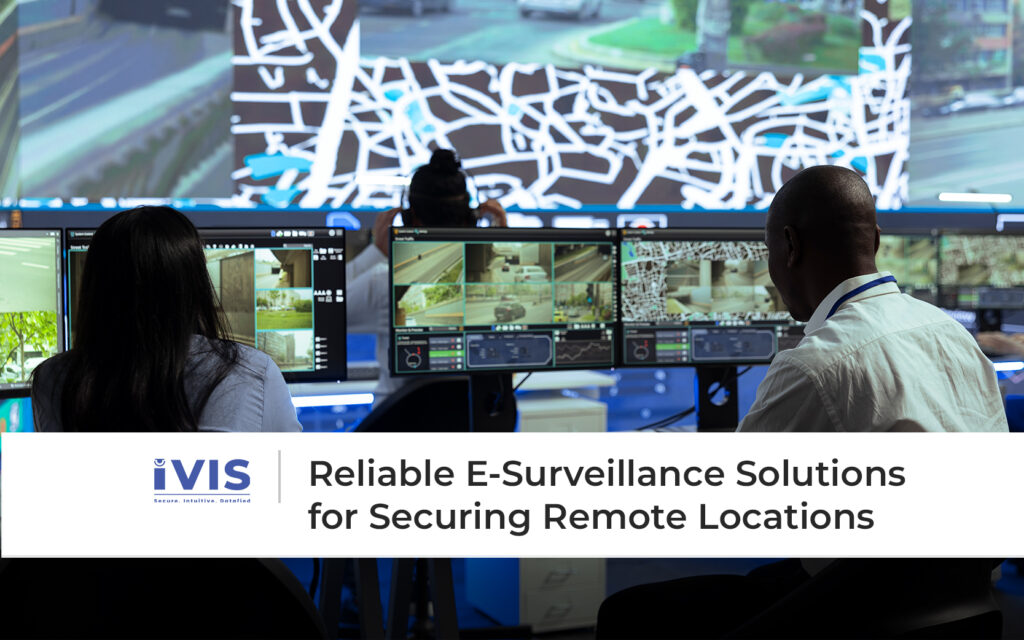
Reliable E-Surveillance Solutions for Securing Remote Locations Remote locations are easy targets. These sites often face delayed response times, limited staff presence, and difficult terrain. Securing them takes more than just fences and cameras. It demands intelligent systems that adapt, respond instantly, and operate without needing round-the-clock supervision. This is where e-surveillance solutions make all the difference. Why Remote Locations Need Advanced Security Thieves, vandals, and trespassers don’t follow business hours. Construction zones, oil fields, wind farms, and mining sites are high-value targets. Large warehouses also face similar risks. Valuable equipment and minimal on-site supervision make these locations vulnerable to intrusions. Traditional security methods often fall short in these environments. Patrols lack consistency. Maintenance becomes complicated. Connectivity remains unreliable. Criminals take advantage of these gaps. Studies show modern e-surveillance systems reduce crime in public spaces by up to 24–28%, including theft in urban areas and transit hubs. Remote video monitoring offers even greater precision, with AI-enhanced systems minimizing false alarms by up to 95% while slashing labor costs by 40–60% compared to traditional guards. E-Surveillance Solutions: Technology That Thinks Ahead E-surveillance solutions combine physical security with data-driven intelligence. These systems operate on the principle of detection, deterrence, and documentation. Unlike traditional setups, modern e-surveillance solutions do more than just record. E-surveillance systems analyze footage and adapt to changing environments. These solutions deliver visual evidence supported by behavior recognition, movement analysis, and intelligent alerts. These systems use a mix of: High-resolution cameras Remote video monitoring Audio deterrents Motion detection sensors Cloud-based control centers AI-powered video analytics Such integration builds a security layer that remains active at all times. The system does not rely on human presence. The setup reduces downtime. The technology works around the clock. Power of AI and Video Analytics in Harsh Environments Remote locations cannot afford a slow response. Intrusions need to be flagged fast. AI-based video analytics recognizes unusual behavior patterns. The system detects unauthorized access. The technology distinguishes between a person and a passing animal. The solution also tracks vehicles across entry zones. Key features help teams prioritize alerts. There is no wasted effort on false alarms. Only actionable data reaches decision-makers. AI ensures the system grows smarter and more efficient over time. Cloud Access and Centralized Control Distance should never be a barrier. Cloud-enabled e-surveillance solutions give real-time access to all feeds, recordings, and analytics. Managers can check footage from any device. Teams in different cities can collaborate on a single interface. Cloud storage ensures data is not lost due to local damage or power issues. Centralized control is key. A single dashboard can cover multiple remote locations. This minimizes blind spots. The platform maximizes visibility. The setup brings efficiency to an otherwise scattered operation. Voice-Down Deterrence: Prevention in Action Cameras alone do not scare off intruders. However, when the system speaks, people listen. Voice-down technology enables pre-recorded or live verbal warnings to play through on-site speakers. If someone enters a restricted zone, they hear a loud command to leave. This prevents many incidents from escalating further. E-surveillance solutions with voice-down deterrence provide psychological pressure. They let intruders know they are being watched. That pressure forces many to abandon the intrusion. Site-Specific Surveillance That Adapts No two remote locations are the same. A wind farm has different needs than a construction zone. Customizable e-surveillance solutions adapt to the environment. They account for lighting, layout, visibility, and network coverage. Systems can be solar-powered where electricity is limited. Camera towers can be installed quickly without digging. Portable units can be moved as the project progresses. Analytics can be configured to detect specific threats, such as vehicle loitering or fence breaches. Adaptability is what separates modern systems from outdated setups. Lowering Costs and Raising Performance Hiring guards for round-the-clock coverage across multiple sites is expensive. It also brings inconsistency. People get tired. Gaps form. Cameras don’t sleep. Cameras do not blink. Systems do not take breaks. E-surveillance solutions reduce the need for physical patrols. They cut operational costs while increasing coverage. One intelligent system can monitor large areas with minimal manpower. Reports and alerts can be generated automatically, saving time on manual checks. Investing in intelligent e-surveillance becomes more affordable in the long run. Compliance and Insurance Benefits Insurers want proof that safety measures are in place. Sites with e-surveillance solutions show lower risk. This often results in lower insurance premiums and faster, hassle-free claims. Compliance officers also favor systems that provide documented evidence during audits. Footage is time-stamped and securely stored. Access logs are tracked. Reports can be shared with authorities or regulators in minutes. This boosts credibility. It shows commitment to safety. Deterrence That Works Without Delay When a breach happens, every second counts. E-surveillance solutions send alerts in real time. Audio warnings go out instantly. Managers can verify the footage and take action without delay. Faster detection leads to swifter decisions. That is what prevents damage, loss, or liability. Systems that combine video, sound, and analytics act as a force multiplier. They replace reactive security with proactive protection. Integration with Access Control Many remote locations use gates, turnstiles, or smart locks. E-surveillance systems seamlessly integrate with access control measures. Unauthorized entries can be flagged. Authorized personnel movements can be logged. Facial recognition or license plate detection adds another layer. The solution goes beyond monitoring. The technology actively manages and controls movement. It creates a full picture of who enters, who exits, and what happens in between. No Internet? No Problem. Rural areas often face limited or unstable connectivity. That should not block surveillance. Mobile-enabled e-surveillance solutions use LTE cellular networks. They also operate through satellite connectivity to ensure reliable performance in remote locations. Local storage keeps data safe. Once the connection is stable, footage syncs to the cloud. Systems can even work offline for short durations. That flexibility makes them ideal for areas where infrastructure is still catching up. Why IVIS Delivers the Edge Remote location security needs to be intelligent, faster, and more reliable. E-surveillance solutions provide the visibility and deterrence required to

How E-Surveillance Helps Retail Businesses Minimize Losses​
Blog

How E-Surveillance Helps Retail Businesses Minimize Losses

How E-Surveillance Helps Retail Businesses Minimize Losses Retail moves fast and operates on tight margins. Every dollar lost to theft, fraud, or inefficiency cuts directly into profits. Shrinkage continues to plague retail stores. Retail theft caused losses of $112.1 billion in 2022, according to the National Retail Federation. Organized retail crime played a significant role in the surge. In this environment, businesses require more advanced solutions. E-surveillance is no longer optional; it is essential. From monitoring aisles to flagging suspicious activity, modern e-surveillance protects people, products, and profits. Retailers across the globe now rely on AI-powered e-surveillance systems. These systems do more than record. They analyze behavior, deter threats, and deliver valuable insights. This results in reduced losses, stronger operational control, and a higher return on investment. Retail Losses Are Not Just About Theft Retail loss happens in more ways than one. Internal theft, customer fraud, shoplifting, refund scams, and operational errors all contribute to significant losses. Traditional CCTV systems act as a deterrent, but they do not catch patterns, spot incidents in real time, or automate analysis. E-surveillance changes the game. With integrated sensors, intelligent video analytics, and cloud-based access, modern surveillance platforms transform passive footage into active intelligence. These systems detect behavior anomalies. The technology notifies staff of potential threats. The platform provides audit trails that help resolve disputes. Losses go down. Accountability goes up. Real-Time Monitoring Reduces Human Error Retail staff cannot be everywhere. Aisles stay unmonitored. Stockrooms become vulnerable. Transactions slip through with no oversight. E-surveillance fills these gaps. The system monitors continuously. It flags what humans miss. Cameras embedded with motion tracking and AI behavior analysis detect lingering customers, shelf-sweeping patterns, or unauthorized access. Managers receive instant alerts. Supervisors take action before incidents escalate. Employees stay vigilant, aware that the system captures everything, even when they are not observing. Intelligent Detection Limits Internal Theft Internal theft is one of the most costly and complex forms of retail loss to detect. Employees know the systems. They find loopholes. Cash register manipulation, discount abuse, and fake returns are tactics that often go unnoticed. E-surveillance tracks these patterns over time. Linking POS data with video footage ties each transaction directly to visible actions. When a refund is issued, the system displays the corresponding video of both the employee and the customer. There is no room for ambiguity or assumptions. Just facts. It empowers managers to investigate with confidence. Data-Driven Insights Improve Store Layout E-surveillance extends beyond loss prevention. It improves business decisions. Heatmaps generated from camera data uncover detailed customer traffic patterns. Store owners learn which areas attract the most customers and which ones stay idle. That knowledge helps rearrange layouts, optimize shelf placement, and improve customer experience. Footfall analytics also contributes to better staffing. If a system detects peak hours consistently between 5 and 7 PM, managers adjust shifts. Adding more staff improves customer service and increases conversion rates. E-Surveillance Deters Organized Retail Crime Organized Retail Crime (ORC) rings operate with a strategy. Groups target stores repeatedly. These groups steal large volumes in short timeframes. The stolen goods are resold through illegitimate channels. Basic cameras offer little resistance. Advanced e-surveillance adds friction. License plate recognition tracks known vehicles. Face recognition tools identify repeat offenders. Audio deterrents, such as voice-down alerts, directly engage intruders. Criminals think twice when systems react immediately. These layers create active deterrence. The goal is not just to catch criminals. The focus is on preventing them from entering in the first place. Incident Investigation Gets Easier and Faster After an incident, the manager’s time should not be wasted reviewing hours of footage. E-surveillance systems make evidence retrieval fast. Metadata tagging, searchable video timelines, and AI filtering reduce investigation time. Instead of watching hours of video, managers search keywords like “unauthorized access” or “after-hours movement.” The system brings up relevant clips. This simplified process accelerates dispute resolution, enhances incident reporting, and strengthens legal support. Compliance and Liability Management Simplified Retailers often face lawsuits or claims related to slips, falls, or customer altercations. Without proper evidence, businesses remain exposed. E-surveillance documents events accurately. It timestamps every occurrence. That video becomes proof. Insurance companies appreciate documentation. So do legal teams. With high-quality footage, claims can be validated or dismissed quickly. Compliance improves. Risk lowers. Stores become safer environments for both customers and employees. Cloud-Based Access Keeps Retailers in Control Retailers with multiple locations often face challenges in monitoring all their stores effectively. Traditional systems require on-site checks or local downloads. E-surveillance with cloud access changes that allow managers to monitor every location in real time from a single, centralized platform. Owners access live feeds from any location, using a secure dashboard. Centralized monitoring means policies remain consistent. Managers can review incidents, verify that store procedures are followed, and maintain full control from any location. It reduces dependency on local staff and strengthens brand-wide security protocols. Integration with Other Systems Boosts Efficiency E-surveillance does not work in isolation. It integrates with access control, point-of-sale, inventory tracking, and more. A unified system captures and analyzes every event, from door entries to register transactions, in a single streamlined process. This integration prevents fraud at the root. A mismatched inventory count triggers a review. A manual override on the register flags the camera. Every piece connects to a larger picture. Decisions become proactive, not reactive. Choosing the Right E-Surveillance Partner Not all systems offer the same benefits. Some record. Others analyze. The best ones do both and more. Retailers should look for platforms that are scalable, adaptable, and secure. Cloud compatibility, AI analytics, remote alerts, and seamless integrations should be non-negotiable features. Hardware matters, but software makes the difference. Systems that adapt over time, learn from behavioral patterns, and provide centralized control give retailers a clear advantage. Why IVIS Is the Efficient Choice E-surveillance has redefined how retail stores secure assets, monitor behavior, and reduce losses. It replaces guesswork with data, passive recording with intelligent response, and scattered footage with centralized insight. Shrinkage drops. Confidence rises. IVIS delivers this next-generation e-surveillance

Modern E-Surveillance Systems That Do More Than Record
Blog

Modern E-Surveillance Systems That Do More Than Record

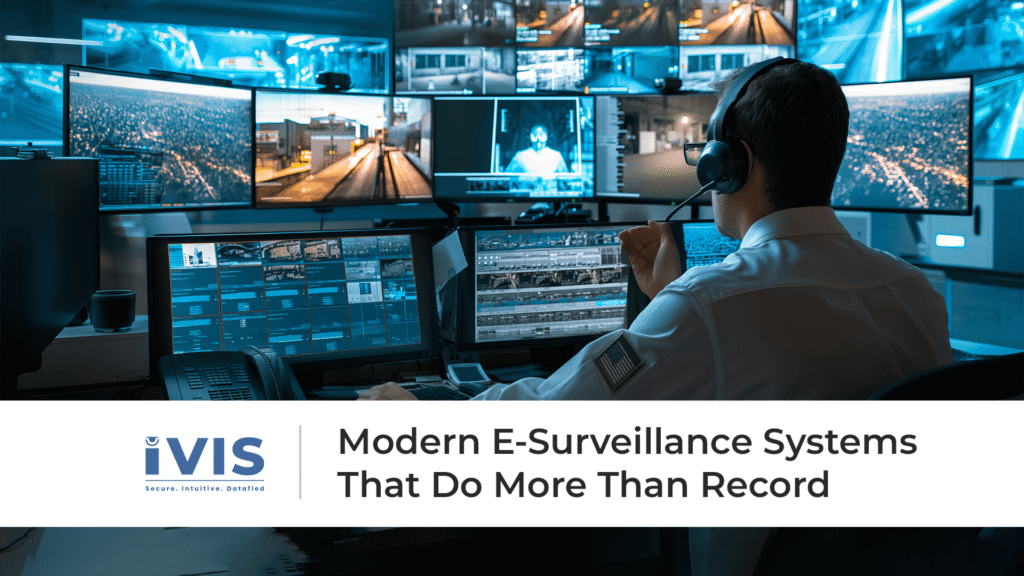
Modern E-Surveillance Systems That Do More Than Record Cameras are everywhere. From construction sites and warehouses to retail floors and entry gates, every frame is being captured. But recording is no longer enough. Modern e-surveillance systems do more than store footage. They analyze. They predict. They deter. The world has moved beyond CCTV loops and manual review. E-surveillance systems now operate like digital watchdogs, combining hardware and intelligence to create safer spaces. They help businesses prevent intrusions before they escalate and provide evidence only when needed, not as the first line of defense, but as a last resort. Security is evolving. So are expectations. E-Surveillance That Thinks Old-school surveillance caught what had already happened. Modern e-surveillance systems prevent it from happening. They identify patterns in movement, track unusual behavior, and raise alerts when something feels off. This is not basic motion detection. Such systems enable intelligent behavioral mapping. A loitering individual in a loading bay. A vehicle is parked in a restricted zone after hours. Repeated movement near a fence line can signal a potential breach and prompt immediate action. Intelligent e-surveillance tools catch what people often overlook. Real-Time Audio Intervention Video is no longer the only medium. Many e-surveillance systems now include audio capabilities, and they speak, quite literally. When a potential intruder steps into a restricted area, they hear a warning. “This is a monitored site. You are under surveillance.” These voice-down alerts act as first-level deterrents. In many cases, the audio cue is enough to make the person leave without any confrontation. These systems create a presence, even when a guard is not on-site. Thermal, Infrared, and Beyond Modern e-surveillance systems operate regardless of weather or lighting. Thermal imaging picks up body heat in pitch darkness. Infrared sees through fog or smoke. Sensors monitor temperature spikes and mechanical failures. On industrial sites, these tools do more than protect from theft. They prevent equipment failure, detect fires early, and even save lives. A smart camera that flags an overheating generator can prevent costly downtime. License Plate Recognition Access control is becoming automated. With License Plate Recognition (LPR), e-surveillance systems no longer require guards to log entries manually. Plates are scanned, verified against authorized databases, and access is either approved or denied instantly. The feature enables seamless gate access for employees and guests. The system also immediately flags unauthorized vehicles. It also builds a searchable log for security teams to reference later. Audio Analytics Surveillance now listens. Audio-based analytics can detect sounds like shattering glass, gunshots, screams, and aggressive tones. This adds a layer of context. A loud bang at midnight? It could be a gate being forced open. An argument in a retail aisle? It could escalate to violence. These features allow e-surveillance systems to respond more quickly. When combined with automatic alerts or voice-down systems, their effectiveness increases significantly. Crowd and Loitering Detection Retailers and event venues use e-surveillance systems to study foot traffic, prevent overcrowding, and ensure safety. Large groups that form suddenly can be flagged. Individuals who linger near exits or high-value displays are tracked discreetly. These insights protect assets and improve layout planning. Businesses get safer. Customers get smoother experiences. Remote Monitoring Security no longer relies on being physically on-site. With cloud-connected systems, one team can monitor multiple sites in real time. Alerts are centralized. Actions are immediate. Anomalies get flagged. Audio cues are triggered. Events are logged with tags and time stamps. A security specialist sitting miles away can intervene through speakers and dispatch teams if needed. This scalability makes e-surveillance systems a preferred choice for distributed operations. Retail chains, warehouses, logistics companies, and schools all benefit from centralized control. Data-Backed Decision Making AI-enabled cameras don’t just record; they learn. Over time, they identify patterns. Modern systems recognize repeat offenders. These tools understand peak hours and offbeat behavior. With every frame analyzed, reports are generated. These insights inform staffing decisions, optimize shift timing, and improve safety planning. Security is no longer a cost center. It is a data source. According to Statista, the global intelligent security camera market is expected to reach $39 billion by 2030. This growth is powered by demand for analytics-driven safety tools. E-surveillance systems now do more than record. Integration with Emergency Protocols When something goes wrong, speed matters. Advanced surveillance systems can automatically trigger a chain of responses. Lock doors. Notify emergency contacts. Alert law enforcement. Activate lights and sirens. Time lost in decision-making can be life-threatening. Automation removes the delay. AI Filters Out False Positives False alarms waste time. They desensitize teams. They cost money. AI helps reduce this. It learns the difference between a dog and a human. A branch and a person. A passing vehicle and one parked where it should not be. The more it learns, the sharper it gets. Over time, e-surveillance systems become smarter and more accurate. Built for Every Environment One size never fits all. A school requires a different surveillance logic than a construction yard. A retail outlet needs different coverage than a corporate campus. Intelligent surveillance systems are configurable. They adapt to places and priorities. Certain systems track entry and exit logs. Others detect dangerous tools left out. Many focus on perimeter breaches. Each environment gets its rulebook. Scalability Without Complexity Adding new cameras or sensors no longer needs a system overhaul. Modular e-surveillance systems expand smoothly. New zones are integrated through a single dashboard. Remote teams can manage updates, upgrades, and calibration from anywhere. Such flexibility is critical for fast-growing businesses. No disruption. No downtime. Cybersecurity Matters Too A surveillance system that is connected must also be protected. Modern solutions offer encrypted video streams, role-based access controls, and real-time detection of potential data breaches.  Security is not just physical anymore. Cyber protection is built into every layer. IVIS Delivers Advanced E-Surveillance Advanced security is not optional. It is expected. E-surveillance systems are no longer static watchers. These systems act as proactive defenders. They see, hear, learn, and respond. This technology turns footage into foresight. IVIS delivers these modern

From Warning to Action How E-Surveillance Deters Intrusions​
Blog

From Warning to Action: How E-Surveillance Deters Intrusions

From Warning to Action: How E-Surveillance Deters Intrusions Intrusions are no longer just about a cut fence or a forced lock. They are calculated, fast, and often undetected until the damage is done. This is where e-surveillance shifts the game. An e-surveillance system does not wait for an incident to happen. The technology anticipates. The platform adapts. It turns static video into intelligent decisions that protect people, property, and peace of mind. Security today is not about having more eyes on screens. It is about putting intelligence behind every frame. E-surveillance acts like a digital sentry. The system watches, learns, and takes action. This technology does not just raise the alarm. It turns that warning into a response. The Shift from Analog to Intelligent Traditional CCTV cameras watch. They record. They store. But they do not react. And in high-risk environments, reaction is everything. When a trespasser enters a restricted area or someone lingers too long at a warehouse gate after hours, every moment counts. A few minutes or even seconds can decide the outcome.E-surveillance brings in a proactive layer. The platform connects systems. The solution reads behaviors. The technology flags abnormalities based on learned environments. This setup converts video data into actions such as real-time alerts, voice-down deterrents, and rapid on-site communication. E-surveillance is no longer a luxury for high-end assets. It is a standard for safety-conscious organizations. These include sectors such as retail, construction, logistics, manufacturing, and critical infrastructure. Not Just Motion Detection—It’s Behavior Detection Movement alone is not a threat. A delivery truck may pull up at midnight for a scheduled drop. A cat might trigger a sensor. E-surveillance systems go beyond motion. These solutions track patterns. They differentiate regular activity from the unusual.The real breakthrough is in behavior recognition. Loitering near an exit. Unauthorized entry through less-monitored paths. Fast-paced movements inside sensitive zones. These are indicators that traditional systems miss. Artificial intelligence processes these signals. It learns from regular activities and flags deviations. Teams receive alerts only when necessary. This cuts false alarms. It prioritizes real threats. Multiple Sites. One Dashboard. Managing security across multiple locations is a logistical nightmare. Different systems. Different vendors. No centralized view. E-surveillance solves this. With a single dashboard, teams can monitor warehouses, stores, offices, and depots from one command center. All sites, all feeds, all alerts. Managed in one place.   Such a consolidated view improves response time. It empowers security teams to make faster, coordinated decisions. Furthermore, it saves money by reducing the need for physical patrols and redundant monitoring contracts. Voice-Down Alerts: The First Line of Defense One of the most effective deterrents is the voice-down system. When someone steps into a restricted area, the system speaks. Loudly. Clearly. It warns the intruder that they are being watched. The authorities are being alerted. This instant intervention changes the equation. In most cases, the intruder flees. The intrusion stops before it starts. It eliminates the lag between detection and action. Studies show that 76% of convicted burglars report avoiding properties with visible cameras and audible warnings. The psychological impact of being watched and directly confronted triggers fear. It forces retreat. Intelligent Than Guards. Cheaper Than Patrols. On-ground guards have their place. But humans miss things. Human guards get tired. Security personnel overlook patterns. A physical presence cannot be everywhere at once.E-surveillance complements human oversight with digital consistency. The system never sleeps. The technology never blinks. It reviews hours of footage in minutes. This solution filters out the noise and delivers what matters. Organizations save significantly on staffing costs. Organizations reduce liability. Businesses avoid losses from theft or downtime. In return, they gain a system that gets sharper over time. Evidence That Speaks When incidents happen, the aftermath matters. Who entered? When? What route did they take? Were there prior warning signs? E-surveillance answers all of this. The system keeps logs. The platform timestamps movements. The solution stores high-quality evidence. This speeds up investigations and strengthens legal proceedings. The insurance claims process is quicker with clear visual proof. Law enforcement can act with confidence. Internal compliance checks become easier. Every action is traceable. Adapting to Environments A construction site is not the same as a retail store. A logistics yard is not a hospital. E-surveillance adapts to each setting. Intelligent e-surveillance learns over time. It understands delivery schedules, employee shift patterns, visitor access points, and more. This ability to adapt is what makes it truly intelligent. What starts as a standard surveillance system evolves into a tailored security ally.   The ability to learn and adapt is what gives businesses an edge. Modern systems are not reacting to threats. They are evolving with them. Integration with Access Control E-surveillance integrates with access control systems. Badge entries. Biometric scans. Vehicle number plate recognition. All combine with live video to track who entered and what they did.   Unauthorized access attempts can trigger instant responses. Doors can auto-lock. Security teams can intervene with live communication. Every entry is accounted for. This synergy closes loopholes that intruders rely on. It creates a sealed environment where every movement is logged and verified. Beyond Intrusion—Operational Insights While security is the core goal, e-surveillance brings unexpected value. The system tracks employee movement. Advanced surveillance identifies workflow bottlenecks. It helps optimize floor layouts for safety and efficiency. In retail, it monitors customer flow. In warehouses, it flags unsafe practices. In parking zones, it prevents congestion. Every camera becomes a tool for safety and business intelligence. Over time, surveillance transforms into a strategic function. No longer a cost center but a driver of value. Ready for the Unknown Threats are evolving. Thieves are using drones. Saboteurs use disguises. Some test systems register multiple false entries before detecting an actual breach.   E-surveillance is not just keeping pace with today’s landscape. The technology is redefining how security and intelligence work together. The system prepares for tomorrow. The system updates automatically. It adds layers like thermal imaging, audio analytics, and license plate databases. As threats evolve, the system adapts

Advanced ATM E-Surveillance: Reducing Vandalism and Downtime
Blog

Advanced ATM E-Surveillance: Reducing Vandalism and Downtime

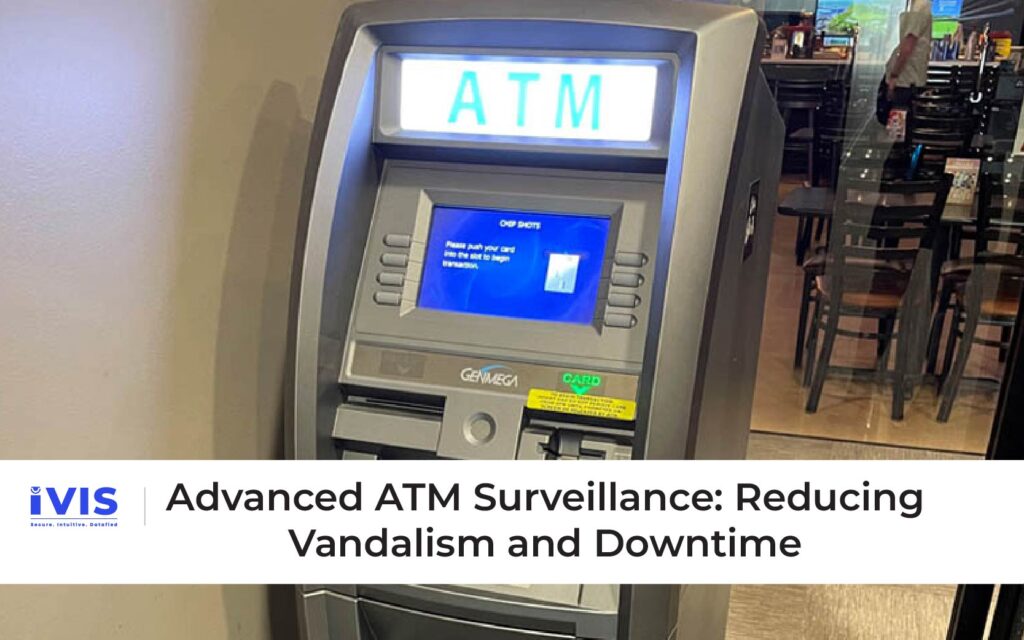
Advanced ATM E-Surveillance: Reducing Vandalism and Downtime You approach an ATM to withdraw some cash and find the machine vandalized. The screen is cracked, the keypad is smashed, and a hastily printed “Out of Order” sign is taped over it. This is not just frustrating for you as a customer. It is a warning sign for banks and ATM operators, pointing to bigger issues like rising crime, increased downtime, and lost trust. That is why ATM e-surveillance has become more critical than ever. It is the first defense against such expensive disruptions. In the digital age, ATM e-surveillance is no longer just a passive system that collects video footage. It has become a frontline defense mechanism. Modern ATM security technologies have advanced dramatically, integrating artificial intelligence, real-time alerts, and remote monitoring to reduce vandalism and downtime while protecting assets and people. The Hidden Toll of ATM Vandalism Vandalism is not always about stealing money. Often, it is about disabling a machine, gaining unauthorized access, or causing disruption. According to the ATM Industry Association’s 2025 quarterly crime report, smash-and-grab attacks accounted for over 28% of all ATM physical attacks in the first quarter. That number rose to more than 45% in the fourth quarter of last year, causing extensive damage and significant repair costs. These figures do not account for lost revenue, potential security breaches, or the reputational damage that can result. Even more concerning is the impact on machine uptime. A vandalized ATM can remain offline for 12 to 24 hours, depending on the severity of the damage and how quickly maintenance teams can respond. During that downtime, customer frustration grows, and competitors benefit. For banks with large ATM networks, these interruptions can quickly escalate into millions of dollars in lost income. This is why ATM e-surveillance is no longer just a defensive tool. It has become a strategic investment in both customer satisfaction and operational efficiency. The Evolution of ATM E-Surveillance Technology As threats have become more sophisticated, so have the tools to counter them. Today’s ATM e-surveillance systems are no longer just focused on recording footage. They are designed to prevent incidents before they happen. With intelligent, faster, and more connected technology, ATM security has evolved into a new era. ATM e-surveillance has moved far beyond simple CCTV setups. Let us take a deeper look: AI-Powered Monitoring Today’s e-surveillance systems are not just watching. They are also interpreting and analyzing behavior in real-time. AI-powered cameras can distinguish between normal behavior (e.g., a person withdrawing money) and suspicious activity (e.g., someone lingering at the ATM, trying to pry open compartments, or masking their face). These intelligent systems send real-time alerts to security teams, reducing response time and deterring vandalism before damage occurs. 24/7 Visual Coverage with Enhanced Resolution Gone are the days of grainy, low-resolution black-and-white videos. Modern ATM e-surveillance uses HD or 4K cameras, often with night vision capabilities. This ensures high-quality visual records that can assist in investigations and insurance claims. The visible presence of such cameras also deters many would-be vandals. Advanced Integration with Banking Systems Advanced e-surveillance systems can integrate directly with an institution’s ATM management software. This integration means video feeds can be linked to transaction data, helping to verify legitimate activity or investigate fraud. It also allows for real-time status checks on ATM performance, helping to distinguish between a system fault and potential tampering. Real-World Impacts: When E-Surveillance Works There is compelling evidence that ATM e-surveillance technology is making a measurable difference in reducing criminal activity and minimizing downtime. Some financial institutions have reported significant cost savings and fewer repeat incidents after implementing intelligent e-surveillance tools across their ATM networks. These results show that modern security is not just a protective measure. It is a proactive solution that deters crime and improves service availability. The Role of Remote Monitoring and Rapid Response When something goes wrong at an ATM, speed matters. The longer a unit remains out of service, the greater the disruption and the higher the risk. Thanks to cloud-connected e-surveillance platforms, ATM operators can receive alerts instantly when something’s amiss. Whether it is suspicious motion, an impact detected by sensors, or an unauthorized access attempt, the system can notify staff in real-time. Security personnel no longer need to be physically near the ATM to assess the situation. With live video feeds and detailed logs, they can evaluate remotely whether to dispatch help, shut down the ATM, or reset a system. This immediate awareness drastically cuts downtime. What once took hours to detect and respond to now takes minutes. Even better, some issues can be resolved off-site. Remote technicians can reset software or run diagnostics without an expensive truck roll. Enhancing Customer Trust and Satisfaction It is easy to overlook the customer experience in a conversation about security. However, ATM availability and safety play a significant role in public trust. No one wants to use an ATM that feels sketchy or appears damaged. Customers expect machines that function reliably, are well-lit, and are visibly monitored. By reducing vandalism and ensuring that ATMs remain operational, banks and operators send a clear message: “We care about your safety and your time.” Furthermore, when a machine is protected by obvious security features like visible cameras, warning signs, or speaker systems that broadcast alerts, it discourages crime. At the same time, it reassures users. A well-guarded ATM becomes a beacon of reliability, driving repeat usage and brand loyalty. From Prevention to Prediction Perhaps the most exciting frontier in ATM e-surveillance is the move from reactive protection to predictive analytics. E-surveillance systems now gather and analyze data over time: patterns of suspicious behavior, peak risk hours, geographic crime trends, and environmental triggers. With enough data, security teams can anticipate threats and proactively reinforce vulnerable locations. For example: A particular ATM that logs frequent after-hours loitering might be flagged for extra security patrols. Areas that experience high temperatures and power fluctuations could trigger hardware warnings and prompt preventive maintenance. Holiday weekends might show increased risks of vandalism,

Blog

24/7 E-Surveillance Services with AI at the Helm

24/7 E-Surveillance Services with AI at the Helm The rapid evolution of the security landscape has made traditional surveillance inadequate. Organizations now need advanced systems that do more than merely monitor. They require systems that analyze, interpret, and act on data in real time. This is where iVIS’s innovative analytics services come into play, evolving far beyond traditional surveillance methods. By integrating artificial intelligence (AI) into e-surveillance systems, iVIS offers enhanced intelligence and actionable insights beyond simply recording footage. Artificial intelligence lies at the heart of iVIS’s service offerings. It allows the system to continuously learn, process vast amounts of data, and generate meaningful insights. This intelligent approach ensures that businesses and organizations can detect threats, monitor behavior, and optimize operations like never before. Redefining 24/7 Monitoring in the AI Era For decades, traditional surveillance systems relied on constant human oversight to track activities on security cameras. While these systems ensured 24/7 monitoring, they were inherently limited by human capacity to notice every anomaly or trend. In contrast, iVIS’s AI-powered solutions revolutionize this approach by providing continuous, intelligent analysis, detecting patterns, and analyzing behavior in ways humans simply cannot. At its core, 24/7 monitoring means maintaining an uninterrupted watch over key areas of concern, whether a corporate building, industrial site, or public space. However, with the sheer volume of video footage being captured, manual monitoring can quickly become overwhelming. AI plays a crucial role by serving as an intelligent filter. It processes massive amounts of data, identifies key events, and alerts decision-makers to significant occurrences, all while operating without the limitations of human fatigue. Traditional surveillance systems may offer around-the-clock coverage, but without AI, they remain static and reactive. iVIS, however, integrates advanced video analytics to transform passive monitoring into active, insightful security management. By analyzing video feeds in real-time and identifying irregularities, the system allows organizations to proactively address potential risks, reduce operational disruptions, and improve response times. Transforming E-Surveillance with AI Historically, surveillance has been seen as a reactive measure—waiting for an incident to occur before taking action. But in a world where security threats evolve rapidly, being reactive is no longer sufficient. iVIS’s AI-powered surveillance services shift this paradigm by providing proactive intelligence that enables organizations to anticipate, detect, and act on potential threats. According to Fortune Business Insights, the global video analytics market is projected to grow from $6.39 billion in 2023 to $35.06 billion by 2030, at a compound annual growth rate (CAGR) of 27.7%. This explosive growth reflects a strong global demand for smarter, AI-led surveillance solutions far beyond traditional video monitoring. AI provides real-time alerts when abnormal behavior is detected and analyzes historical data to recognize patterns and trends. This means that security teams can investigate incidents more thoroughly, understand underlying issues, and take corrective actions based on data-driven insights. iVIS’s systems are designed to capture and analyze video data in ways that make security and safety more dynamic and responsive to evolving challenges. The Role of Video Management Systems in 24/7 Security While AI drives the analysis, a robust Video Management System (VMS) enables organizations to organize, store, and retrieve video footage efficiently. iVIS’s VMS is designed to be intuitive, scalable, and capable of integrating seamlessly with AI analytics. Together, these technologies empower businesses to monitor multiple video feeds from various locations and process them intelligently to derive actionable insights. The VMS acts as a hub, consolidating video data into a central system that ensures all footage is accessible in a user-friendly interface. Whether you need to retrieve specific footage for investigation or analyze footage for trends, iVIS’s VMS makes the process easy. It also allows for seamless integration of video data with other security systems. This combination of video management and AI analytics supports organizations in enhancing their surveillance capabilities and transforming raw video data into meaningful intelligence. E-Surveillance in Action: Intelligent and Efficient To understand the practical benefits of AI in surveillance, consider the case of a retail chain aiming to monitor customer behavior and optimize the store layout. Traditionally, analyzing customer movements involved manual observation or labor-intensive data collection. With iVIS’s AI-powered analytics, store owners can automatically generate heatmaps and track movement patterns. They receive detailed insights into how customers interact with products, all without human intervention. In another example, a logistics company seeking to detect unauthorized access after hours would typically rely on security staff to monitor footage. With iVIS’s AI-powered monitoring, the system automatically flags suspicious activity during off-hours, categorizes it, and alerts security teams to investigate further. This system saves time and resources, improving security protocols and operational efficiency. Whether optimizing customer experience, enhancing safety, or improving resource management, iVIS’s AI analytics can empower organizations to leverage video data for more than just security. It unlocks a wealth of actionable intelligence, driving business decisions and operational improvements. Understanding 24/7 Monitoring Beyond Real-Time While real-time monitoring is crucial for immediate threat detection, there is a growing recognition that e-surveillance data holds more value when analyzed over time. iVIS’s AI-powered systems go beyond providing instant alerts. They allow organizations to capture and analyze video footage over extended periods, offering long-term insights into trends and behaviors. Retrospective analysis is a key component of iVIS’s service offerings. The ability to review historical footage and assess patterns over time provides organizations with a comprehensive understanding of how their security environment evolves. By leveraging AI, businesses can gain a deeper understanding of recurring threats, identify potential vulnerabilities, and make informed decisions that enhance long-term security. This type of post-event analysis also enables the generation of detailed reports that can inform safety protocols, employee training, and operational adjustments. In many cases, it can reveal trends that would have otherwise gone unnoticed in a traditional, manual surveillance setup. Industries Benefiting from AI-Led Monitoring iVIS’s AI-powered e-surveillance services are versatile and can be customized to meet the unique needs of various industries. Here are some of the key sectors benefiting from this advanced technology: Retail: AI-powered e-surveillance helps retailers enhance loss prevention, track customer

Scroll to Top