iVIS | e-Surveillance Company

Write to us about any queries you have

Contact Form Demo

Monitoring Services

Predictive Surveillance: Anticipating Threats Before They Happen
Blog

Predictive Surveillance: Anticipating Threats Before They Happen

Predictive Surveillance: Anticipating Threats Before They Happen It’s late at night in a logistics hub. Security cameras quietly hum, recording an otherwise uneventful scene. But then, a system alert breaks the silence. The AI-powered surveillance platform detects an unusual movement pattern near a restricted gate, one that doesn’t match the typical late-shift routine. Before anyone reaches the fence, a patrol is dispatched, and a possible intrusion is stopped in its tracks.  This isn’t an Oracle-led announcement. It’s predictive surveillance, which is an emerging approach that uses artificial intelligence (AI) and advanced video analytics to identify early indicators of risk before they evolve into real threats. In a world where safety and speed are equally vital, predictive surveillance represents the next evolution of intelligent e-surveillance systems, not just watching events, but anticipating them.  The Shift from Reactive to Predictive Security Traditional surveillance has always been about seeing what happened. Cameras record, operators observe, and responses follow incidents. This reactive model worked for decades, until the digital era brought new challenges: complex threats, wider surveillance networks, and data that no human team can process in real time.  Today, AI-powered predictive surveillance flips this model on its head. Instead of reacting to incidents, systems analyze behavior patterns, contextual data, and real-time feeds to forecast potential threats. Much like predictive maintenance prevents machine failure, predictive monitoring in surveillance prevents breaches, theft, or damage before they occur.  By merging AI, machine learning, and behavioral analytics, organizations gain the ability to detect subtle deviations, from an unfamiliar face returning repeatedly near a secure entry, to irregular vehicle routes, or even abnormal dwell times.  Prediction becomes protection.  How Predictive Surveillance Works At its core, predictive surveillance combines AI algorithms, real-time analytics, and automated response systems. Here’s how the technology functions in practice:  Data Collection: Continuous video streams from cameras, sensors, and access control systems are captured and centralized.  Behavioral Baselines: AI models learn normal activity patterns specific to the environment — such as employee movement, visitor frequency, or typical vehicle paths.  Anomaly Detection: When deviations occur (e.g., unusual motion at odd hours, tailgating, or repetitive loitering), the system identifies these as anomalies.  Predictive Insights: These anomalies are scored and correlated with contextual data, location, time, frequency, to forecast the likelihood of a threat.  Automated Alerts and Action: Alerts are prioritized based on risk levels, and real-time notifications are sent to security teams or control rooms.  Unlike conventional motion detection, which reacts to events post-occurrence, predictive surveillance uses machine learning to connect dots that humans might miss — recognizing intent before it translates into action.  Notably, organizations using predictive threat analytics have reported up to 40% faster detection times compared to traditional monitoring systems, emphasizing how data-driven forecasting strengthens early response.  The Power of AI and Analytics in Threat Anticipation AI-based surveillance is the brain behind predictive security. Deep learning models process vast video data volumes far faster than any manual review could. By combining object recognition, pattern analysis, and temporal reasoning, AI systems can interpret context, whether a person is waiting, wandering, or behaving suspiciously.  For example:  In a banking environment, predictive analytics might flag repeated loitering near an ATM, even if no transaction has occurred.  In a warehouse, it could detect irregular forklift routes that signal a possible safety or asset-handling risk.  In public areas, it could identify crowd density changes that indicate an emerging disturbance.  By analyzing these micro-signals, AI-powered video analytics converts data into foresight, and foresight into safety.  Real-World Applications Across Industries Predictive surveillance is rapidly transforming security operations across multiple sectors:  BFSI (Banking, Financial Services & Insurance): Early detection of ATM tampering, suspicious movement near vaults, or abnormal after-hours activity.  Retail: Identifying theft intent by analyzing dwell time, gaze tracking, and abnormal object interaction.  Warehousing & Logistics: Predicting unauthorized access, vehicle route anomalies, or personnel movement in restricted zones.  Manufacturing: Detecting safety risks like missing PPE, unsafe proximity to machinery, or unauthorized maintenance actions.  Smart Cities: Anticipating crowd surges, monitoring traffic violations, and detecting public safety threats before escalation.  This cross-industry expansion mirrors global adoption trends; for instance, Deloitte reports that by 2022, 40% of police agencies had already integrated AI-enabled video and digital tools for proactive safety measures.   These sectors share a common goal: reducing incidents through foresight rather than response. Predictive surveillance ensures that decision-makers act before incidents, not after.  Benefits of Predictive Surveillance Proactive Threat Detection: Predictive surveillance enables early alerts, giving organizations valuable minutes, even seconds, to respond. This proactive capability can prevent major disruptions and losses. Reduced False Alarms: Traditional systems trigger numerous false alerts. Predictive models, by understanding behavior patterns, significantly improve accuracy and alert reliability. Faster Incident Response: AI-powered insights and automation reduce the mean time to detect (MTTD) and respond (MTTR), enhancing situational readiness. Optimized Resource Allocation: By filtering alerts based on priority, command centers can focus human attention where it matters most. Enhanced Compliance and Safety: Predictive analytics support regulatory compliance by generating detailed event reports, audit trails, and real-time visibility for critical infrastructure. Continuous Learning and Improvement: The system evolves with each event, alert, or false trigger, which helps the AI refine its predictions for the future. In essence, predictive surveillance converts data into intelligence, and intelligence into actionable prevention.  Overcoming Implementation Challenges Transitioning from traditional CCTV setups to predictive surveillance systems requires careful planning. Key challenges include:  Data Quality: Poor video quality or inconsistent feeds can limit AI accuracy. Regular calibration ensures reliable results.  Integration with Legacy Systems: Predictive models must interface smoothly with existing video management systems (VMS) and access controls.  Privacy and Ethical Use: Predictive analytics must balance security with compliance to privacy regulations and data protection norms.  Skill Gaps: Organizations need trained analysts who understand both AI and security to interpret predictive alerts effectively.  Advanced platforms like IVIS Predictive Surveillance address these barriers by integrating multi-source data intelligence, AI-based automation, and scalable architecture that adapts to hybrid environments, from on-premises to cloud and edge deployments.  The Future: Security That Thinks Ahead The next frontier of predictive surveillance

Uptime Matters: Why System Health Monitoring Is Critical 
Blog

Uptime Matters: Why System Health Monitoring Is Critical 

Uptime Matters: Why System Health Monitoring Is Critical Every organization runs on technology. Applications, servers, and networks hold business operations together. When systems slow down or fail, productivity comes to a halt. Customers face delays. Trust weakens. To avoid these setbacks, system health monitoring plays a critical role. It keeps a constant check on infrastructure, ensures uptime, and strengthens efficiency.  The Cost of Downtime System downtime is expensive. A report by Gartner estimates that the average cost of IT downtime is $5,600 per minute. An hour of downtime can cost businesses hundreds of thousands of dollars. In sectors such as banking, healthcare, and e-commerce, the impact escalates even further. Customers expect services to be available 24/7. A short outage can cause revenue loss and damage reputation.  System health monitoring prevents unplanned outages by alerting teams to potential issues before they escalate. By tracking performance metrics and resource usage, organizations can act early. Instead of discovering a problem after users complain, IT teams gain visibility and respond quickly. What System Health Monitoring Covers System health monitoring is more than checking if servers are online. It provides a deep view into performance, resource consumption, and overall system reliability. Some of the critical areas include:  CPU and Memory Utilization: High resource usage signals overloaded systems. Monitoring these patterns helps with scaling decisions.  Disk Space and I/O: Storage failures or slow read/write speeds affect applications directly. Regular checks prevent sudden crashes.  Network Traffic: Bottlenecks, latency, or suspicious traffic patterns can indicate risks. Monitoring keeps networks stable and secure.  Application Performance: From databases to APIs, every component matters. Monitoring identifies slow queries, code errors, or service failures.  Security Events: Unauthorized access attempts, configuration changes, or malware indicators need immediate attention. Monitoring tools help detect these in real time.  Together, these checks form a complete picture of infrastructure health.  Why Proactive Monitoring Outperforms Reactive Fixes Many organizations still follow a break-fix model. A problem happens. Teams scramble to resolve it. Downtime already affects users. Reactive management costs time and resources.  System health monitoring replaces this cycle with a proactive approach. It works like preventive healthcare. Instead of waiting for a system to collapse, constant monitoring detects warning signs. Early action prevents outages. IT teams move from firefighting to optimization. This shift not only reduces downtime but also improves system performance overall.  Benefits That Go Beyond Uptime System health monitoring provides benefits far beyond preventing outages.  Improved User Experience: Customers expect fast, reliable service. Monitoring keeps applications responsive and available.  Resource Optimization: Data from monitoring helps organizations avoid over-provisioning. Scaling becomes smarter, not wasteful.  Faster Troubleshooting: When issues arise, monitoring data points to the root cause quickly. This reduces mean time to repair (MTTR).  Better Security Posture: By detecting unusual activity, monitoring supports cybersecurity defense. Suspicious login attempts or traffic spikes trigger alerts immediately.  Compliance and Reporting: Many industries must demonstrate system availability and security. Monitoring tools create detailed reports to support compliance.  System health monitoring becomes a strategic advantage, not just an IT function. System Health Monitoring in Cloud Environments Cloud adoption has changed the way infrastructure works. Businesses no longer run everything on local servers. They use hybrid and multi-cloud setups. Workloads shift dynamically between environments. Monitoring becomes more complex in this setting.  Cloud-native monitoring tools now track virtual machines, containers, and microservices. They handle scaling events, distributed workloads, and multi-region deployments. Without system health monitoring, cloud operations face hidden risks. Service-level agreements (SLAs) can be missed. Customer experience suffers.  Automation in Monitoring Automation has transformed system health monitoring. AI-powered monitoring platforms can analyze huge volumes of data instantly. They learn patterns and detect anomalies faster than manual checks. Automated alerts notify teams before problems impact performance.  In some cases, systems can even self-correct issues such as restarting a failed service or reallocating resources. Automation reduces human error, improves efficiency, and ensures that monitoring keeps pace with modern IT environments.  Industry Use Cases Different industries benefit from system health monitoring in unique ways.  Financial Services: Transactions must run without interruption. Monitoring ensures uptime for ATMs, trading systems, and online banking platforms.  Healthcare: Patient data, diagnostic systems, and telemedicine platforms cannot fail. Monitoring keeps life-critical systems available.  Retail and E-Commerce: Online platforms must remain fast and available during peak traffic. Monitoring prevents slowdowns during sales or seasonal spikes.  Manufacturing: Automated production lines depend on IT systems. Monitoring ensures smooth operations and reduces costly downtime.  Public Sector: Government services, transport systems, and digital portals rely on reliable infrastructure. Monitoring keeps services accessible to citizens.  Uptime remains a top priority across every industry. System health monitoring helps achieve it.  Common Challenges in Implementation While the benefits are clear, organizations often face challenges when adopting system health monitoring.  Tool Overload: Too many monitoring tools create data silos. Centralized platforms solve this by unifying visibility.  Alert Fatigue: Poorly configured alerts overwhelm IT staff. Smart alerting based on thresholds and trends reduces noise.  Integration Issues: Legacy systems may not work smoothly with modern monitoring platforms. Careful planning and gradual adoption ensure smooth integration.  Skilled Workforce: Monitoring requires skilled teams to interpret data and act on insights. Training and automation reduce this gap.  Overcoming these challenges ensures that monitoring delivers maximum value. The Future of System Health Monitoring System health monitoring continues to evolve. With advances in AI and predictive analytics, future systems will not only detect issues but also predict them. Organizations will know which server may fail weeks in advance. Cybersecurity will become more integrated with system monitoring.  Edge computing will expand monitoring to devices outside traditional data centers. As technology evolves, system health monitoring will remain essential to keep businesses reliable and resilient.  Conclusion System health monitoring ensures uptime, prevents outages and improves performance across industries. It delivers benefits that extend from operational efficiency to customer satisfaction. Businesses that invest in proactive monitoring save money, protect their reputation and stay ahead of disruptions.   IVIS helps organizations achieve this reliability through advanced system health monitoring solutions. In partnership with Scanalitix, IVIS provides intelligent monitoring that combines real-time insights, automation

How Continuous Monitoring Ensures Zero Blind Coverage
Blog

How Integrated Detectors, Cameras, and Alerts Strengthen E-Surveillance Systems 

How Integrated Detectors, Cameras, and Alerts Strengthen E-Surveillance Systems E-surveillance systems deliver robust security through synergy. Integrated detectors, cameras, and alerts give a unified approach to monitoring. Cameras capture real-time visuals, detectors sense motion, sound, or environmental changes, and alerts notify teams instantly. That combination makes surveillance systems smarter, faster, and more reliable. Businesses reduce response times while increasing situational awareness.  These systems grow beyond basic monitoring. They now combine technology, intelligence, and usability. Security becomes proactive instead of reactive. Integrated platforms bring precision and clarity to operations in environments where human observation alone cannot keep up. That is why adoption continues to grow across industries. Why Integration Matters in E-Surveillance Systems Security depends on speed, clarity, and accuracy. Detectors, cameras, and alerts each play a role on their own, but integration makes them far more effective. When these components work together within systems, they create a unified shield that enhances detection, reduces errors, and ensures a faster response.  Unified visibility: Detectors sense anomalies, such as motion, broken glass, and temperature shifts. Cameras immediately focus on those zones. Alerts notify security staff. That loop shortens detection-to-action time. E-surveillance systems act as an alternative to relying on manual monitoring.  Fewer false alarms: Motion alone triggers many false alerts. Integration filters noise. Detectors verify presence. Cameras confirm visually. Alerts go out only when both detect and record. That method lowers false alarms and boosts confidence in surveillance systems.  Faster response: Teams get push notifications or SMS alerts. Cameras provide context instantly. Teams act faster. That speed matters in theft, fire, or intrusion. Smart surveillance systems deliver safety and quick reaction.  Intelligent resource use: Security centers monitor dozens of feeds. Integration triages incidents automatically. Alerts go only for genuine threats. Teams stay focused. That discipline raises efficiency. These systems direct attention where it matters. Applications of Integrated E-Surveillance Systems Integrated detectors, cameras, and alerts bring value across many industries. Each environment faces unique risks, and surveillance systems adapt to meet those challenges with precision and reliability.  Retail: Store managers use detectors to spot unauthorized movement after hours. The cameras roll automatically. Alerts notify store personnel. Loss incidents drop.  Smart cities: Municipal teams deploy detectors in high-traffic zones. When detectors sense congestion, cameras activate. Alerts help manage crowd flow quickly. E-surveillance systems improve safety and urban planning.  Healthcare facilities: Hospitals link detectors in operating zones. Cameras focus on sensitive zones only when detectors sense motion. Alerts go to security teams. That system respects patient privacy yet maintains vigilance.  Logistics and warehousing: Detectors sense open doors or unauthorized access. Cameras activate automatically. Alerts inform supervisors. That setup prevents theft and inventory loss effectively.  Airports and transport hubs: Airports rely on detectors for baggage screening and perimeter breaches. Cameras capture exact moments of intrusion. Alerts allow rapid response from airport security. Integration minimizes risks in crowded, high-stakes environments.  Educational institutions: Schools use detectors near restricted zones. Cameras verify unauthorized access. Alerts keep administrators informed. Surveillance systems safeguard students and staff in real time.  Banks and financial institutions: Detectors track unauthorized vault or ATM access. Cameras support visual evidence. Alerts trigger immediate lockdowns. Financial institutions trust surveillance systems for layered security.  The global video surveillance market grows fast. Analysts estimate it will grow from USD 64.1 billion in 2023 to USD 209.1 billion by 2033, with a compound annual growth rate of about 12.6 percent. That growth implies rising adoption of integrated e-surveillance systems.  Benefits Beyond Security E-surveillance systems do more than protect spaces. When detectors, cameras, and alerts work together, organizations gain operational advantages that extend into efficiency, cost savings, and smarter decision-making.  Data-driven insights: Integration collects data from detectors and cameras. Facilities analyze patterns: peak motion times, areas of frequent alerts. That data helps optimize staffing and layout. E-surveillance systems transform reactive security into proactive planning.  Cost efficiency: Automated alerts cut reliance on manual monitoring. Staff can focus on priority incidents. Energy-efficient detectors and cameras reduce operating costs. Organizations save long-term by investing in integrated e-surveillance systems.  Staff productivity: Teams work smarter, not harder. Integration cuts noise, leaving only relevant alerts. Security teams face less stress. Productivity rises, morale improves.  Scalability: Organizations start with a few integrated points. They expand as needs grow. E-surveillance systems grow modularly without disruption.  Regulatory compliance: Industries follow privacy rules. Integrated systems let organizations activate cameras only upon detector triggers. That limited surveillance balances compliance and safety. E-surveillance systems respect policies and reduce exposure.  Technologies Enhancing Integration Modern innovations push e-surveillance systems beyond simple monitoring. Technologies such as AI, IoT, and edge computing connect detectors, cameras, and alerts into a seamless network that delivers faster, sharper, and more intelligent security.  Edge computing: Systems process detector data locally. Cameras and alerts activate without cloud dependency. That design reduces latency and bandwidth demand. Modern e-surveillance systems stay fast and reliable with minimal infrastructure strain.  AI-powered analytics: AI filters motion patterns, identifies behaviors. Detectors feed AI algorithms. Cameras confirm suspicious activity visually. Alerts escalate only upon smart confirmation. E-surveillance systems become intelligent, not just connected.  IoT connectivity: Sensors, detectors, and cameras connect through IoT platforms. Alerts sync with facility management systems. Fire alarms, lighting, and HVAC integrate seamlessly. E-surveillance systems evolve into building intelligence networks.  Cloud integration: Cloud platforms centralize feeds, alerts, and logs. Teams monitor from anywhere. They can review footage, fine-tune detector sensitivity, and manage alerts from any location. E-surveillance systems offer flexibility and centralized control.  Mobile alerts: Smartphones receive instant push alerts. Images or short clips accompany notifications. Security teams get context immediately. That feature boosts the responsiveness of e-surveillance systems.  Cybersecurity reinforcement: Integration means more data flow. Strong encryption, firewalls, and secure protocols protect networks. E-surveillance systems defend against both physical and digital threats.  Future Outlook for Integrated E-Surveillance Systems Integration continues to advance. Future systems will combine detectors, cameras, and alerts with predictive intelligence. Instead of reacting to motion, AI will forecast risk based on behavioral trends. Drones may act as mobile cameras connected to detectors on the ground. Wearable devices for staff could sync with alerts,

Why Instant Alerts Matter in Modern E-Surveillance Systems
Blog

Why Instant Alerts Matter in Modern E-Surveillance Systems

Why Instant Alerts Matter in Modern E-Surveillance Systems Modern environments demand constant vigilance. Security shifts from reactive to proactive thanks to e-surveillance systems that deliver instant alerts. These alerts grab attention immediately. Systems warn before damage escalates. These solutions inform responders fast. Instant alerts in e-surveillance systems reduce response lag. Security systems eliminate guesswork. These systems trigger action the moment a threat appears. The platforms broadcast alerts via mobile, email, text, or dashboard. Such solutions guide human teams and machines. The technology shapes an effective response within seconds. Security monitors face overload when alarm volume runs high. Alarm fatigue sets in. Staff ignore alerts that feel routine. A single critical alert might get missed. Instant alerts in e-surveillance systems elevate signal over noise. Alerts demand attention when urgency peaks. They avoid the “cry-wolf” effect while maintaining peak sensitivity. How Technology Drives Instant Alerts AI and edge computing amplify instant alerts in e-surveillance systems. Edge-based analytics spots suspicious behaviors on camera frames. It flags anomalies at the source. It cuts network lag. It sends alerts within milliseconds. Lab experiments show edge systems can raise alerts in just 0.002 seconds. This speed adds real value in preventing incidents at their birth. Video analytics improves accuracy in e-surveillance systems. Systems recognize humans, vehicles, or intrusions. The systems verify breaches visually. These systems avoid the 98 % false alarm rates seen in traditional burglar alarms. Verified alerts gain police priority. The alerts turn noise into credible action signals. Machine learning models sharpen alerts over time. Machine learning models learn patterns of movement, vehicle types, and access schedules. These models adjust thresholds for day versus night. The systems are designed to understand seasonal shifts in traffic. The technology adapts to weather impacts on camera feeds. Sectors That Benefit Most Different industries face different security challenges. Instant alerts in e-surveillance systems adapt to each environment. From retail floors to critical infrastructure, these systems strengthen safety where it matters most. Retail environments: Instant alerts connect analytics to store staff. Exception-based alerts trigger when loitering, suspicious behavior, or theft occurs. Staff see live video, act fast, and reduce loss. Fraud at self-checkout lanes or fuel pumps gets stopped early. Transportation hubs: Airports and train stations run on high traffic flow. Instant alerts identify abandoned baggage, perimeter breaches, or trespassing. Security teams act within seconds to maintain schedules and ensure safety. Warehouses and logistics: Facilities store valuable goods. Instant alerts detect after-hours movement, dock breaches, or forklift accidents. Alerts keep inventory secure and workers safe. Financial institutions: Banks and data centers depend on speed. Instant alerts activate during ATM tampering, break-ins, or unauthorized access to restricted areas. Every second matters when assets and records are on the line. Public infrastructure: Power plants, water treatment facilities, and telecom towers cannot afford downtime. Instant alerts flag perimeter activity, unusual temperature changes, or sensor failures. Preventing disruption saves millions. Healthcare facilities: Hospitals and clinics require a fast response to patient safety incidents. Instant alerts signal when restricted medication cabinets open unexpectedly, or when patients at risk leave secure areas. Security and medical staff act in real time to prevent harm. Smart cities: Municipal surveillance networks cover streets, public squares, and transport links. Instant alerts notify city authorities about crowd surges, traffic accidents, or criminal activity. Law enforcement and emergency services arrive faster, keeping urban life flowing. Why Instant Alerts Improve Safety Instant alerts in e-surveillance systems build trust. Security teams rely on clarity. They trust alerts that move fast and mean business. Reliable alerts reduce anxiety. People feel safer when the threat response seems effortless. Intelligent systems issue early warnings that stop panic before it starts. Real-time awareness changes how teams operate. Supervisors direct guards with precision. First responders receive actionable information before arriving. Crowd control becomes organized and strategic rather than chaotic. Evacuation plans work better with seconds to spare. Operational and Financial Gains Instant alerts in e-surveillance systems boost data quality. Alerts trigger recording, tagging, and logging. They capture footage with clarity and context. Investigations move faster. The evidence stands stronger. Data drives insights that shape prevention. Cost control improves with instant alerts. Small problems stay small. Stolen goods, vandalism, and downtime drop. Insurance claims decrease, and businesses gain stronger financial stability. Businesses see better ROI on security investment. The global AI‐powered surveillance market will hit $62.6 billion by 2028, growing at a CAGR of 22.3 %, driven largely by demand for real-time monitoring and alerts. Compliance and Documentation Legal and industry regulations demand documented proof of incidents. Instant alerts in e-surveillance systems ensure accurate, time-stamped records. Alerts automatically log details into audit-ready formats. Organizations demonstrate compliance and readiness without relying on manual reporting. Well-structured documentation also protects against liability claims. Clear records strengthen legal defense during disputes. Automated reports save staff countless hours of tedious paperwork. Regulatory audits progress faster when evidence is captured and verified instantly. Designing Effective Instant Alert Systems Instant alerts in e-surveillance systems require careful design. Triggers must be relevant. False positives must be filtered. Sensitivity must match real risks. Continuous tuning keeps systems accurate. Integration with access control, fire detection, and intrusion sensors creates one unified security framework. Automated notification systems extend alert reach. They send messages to radios, screens, apps, and even building PA systems. The systems ensure the right people hear the right alert at the right time. Inside Alert Prioritization Not every alert holds the same weight. Modern e-surveillance systems use tiered alert levels. Critical alerts demand immediate response, such as active threats or fires. High alerts flag suspicious behavior with potential escalation. Medium alerts indicate policy violations or minor security breaches. Low alerts log unusual but non-urgent activity for review. Intelligent prioritization ensures response teams focus on the highest-impact situations without distraction. Real-World Scenarios A manufacturing plant uses instant alerts to stop unauthorized equipment use after shifts. A school receives instant alerts when a door to a restricted area opens. Staff respond before students wander inside. A port authority gets notified when a perimeter fence is cut. Patrols arrive

How Continuous Monitoring Ensures Zero Blind Coverage
Blog

How Continuous Monitoring Ensures Zero Blind Coverage

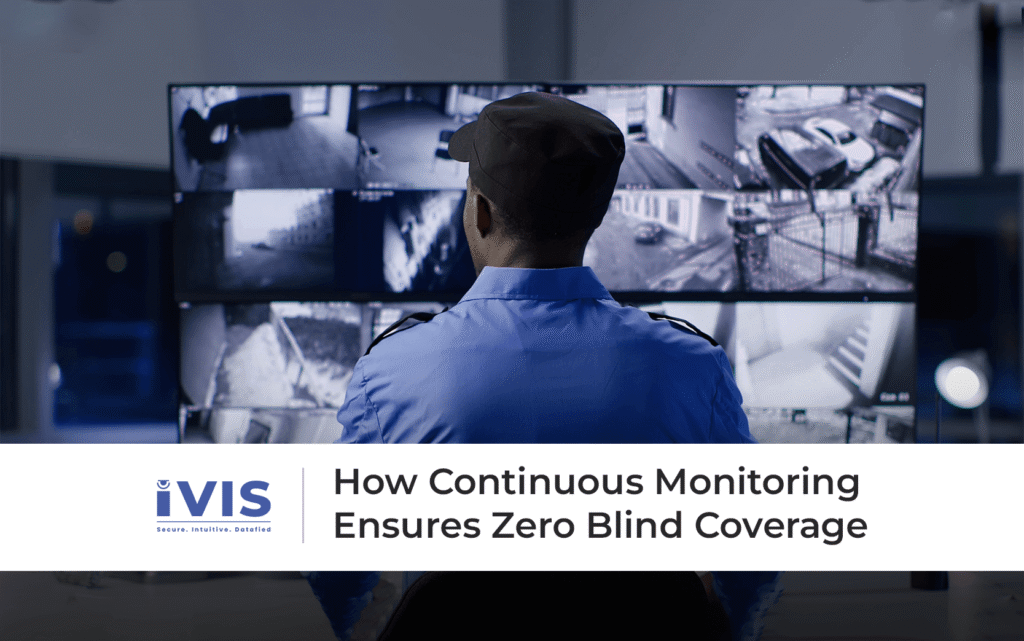
How Continuous Monitoring Ensures Zero Blind Coverage Security failures don’t come with a warning. When visibility gaps exist, threats don’t just pass unnoticed—they thrive. In modern e-surveillance, every second matters. This is where continuous monitoring becomes the backbone of adequate coverage. It closes visibility gaps. It eliminates downtime. It keeps all assets, people, and premises in constant check. Continuous monitoring refers to an always-on, automated e-surveillance process that works across multiple touchpoints. The system closes visibility gaps. The process eliminates downtime. The system captures, processes, and analyzes data continuously without pauses or interruptions. No Delays. No Downtime. Conventional monitoring methods fall short due to human limitations. Operators can only observe for limited durations. Manual errors, fatigue, and response delays are real concerns. Even the most advanced cameras fail when monitoring is inconsistent. Continuous monitoring does not blink. It records every frame, tags every incident, and identifies every deviation from the norm. No moment goes untracked. There are no shift changes or sleep cycles. Only uninterrupted oversight can ensure every moment is accounted for and every threat is detected. Such consistency reduces the risk of missing suspicious activity. Criminals no longer have the advantage of timing their actions between security lapses. The system sees everything. Coverage Across Every Corner Modern infrastructure is complex. Warehouses, hospitals, campuses, and transportation hubs are complex environments. They involve multiple layers of access, constant movement, and shifting crowd behavior. Any part of this layout left unmonitored becomes a weak link. Continuous monitoring ensures that all corners stay under watch. Cameras, sensors, and AI-powered analytics work in sync to create a real-time security net. The system goes beyond just visibility. It understands context, and the technology adapts to the environment. For example, areas with fluctuating lighting conditions, such as parking lots, still maintain clarity. Spaces with high foot traffic, such as malls, stay organized through intelligent tracking. Critical zones such as control rooms remain shielded with layered access control. Instant Detection, Instant Action The power of continuous monitoring lies in its speed. E-surveillance is not useful if the response is delayed. Fast detection leads to swift decision-making. Intelligent systems recognize movement patterns, facial anomalies, unusual access, and object placement in seconds. When a security breach happens, the system flags it immediately. It doesn’t wait for a human to notice. It categorizes the event, assesses its risk, and notifies the right authority. According to Security Magazine, 85% of organizations experienced a security incident in the past year. Many of these were preventable with better monitoring and faster intervention. Continuous monitoring shifts the response time from minutes to milliseconds. Intelligent E-Surveillance with AI Raw footage doesn’t solve problems. Intelligence does. Continuous monitoring powered by AI turns video data into actionable insights. AI filters out irrelevant movements. It identifies real threats and learns from patterns. The system becomes smarter with every frame. The system reduces false positives. The technology prioritizes alerts. The solution focuses on what matters most. This includes perimeter breaches, unauthorized access, or abnormal human behavior. AI-powered continuous monitoring also helps with compliance. The system logs every event. The platform creates audit trails. The solution maintains a record of access and movement. For regulated sectors such as healthcare, banking, and logistics, this remains critical to compliance and operational integrity. Cameras Alone Are Not Enough Installing cameras across a site may create an illusion of safety. But without continuous monitoring, footage becomes passive. No one sees it until something goes wrong. Real-time e-surveillance is not about having cameras. It is about what the system does with what it sees. Continuous monitoring ensures that every video feed stays active, analyzed, and evaluated. The system prevents valuable footage from sitting unused in storage. The technology transforms footage into actionable insights in real time. It also reduces the need for manual review. Security teams no longer need to sift through hours of footage. The system highlights anomalies. It presents only the events that require attention. This increases efficiency while reducing human strain. From Buildings to Borders Continuous monitoring is not limited to buildings or corporate spaces. The system supports large-scale infrastructure. The technology plays a role in city-wide e-surveillance, smart traffic management, and border control. Its ability to function across thousands of nodes simultaneously makes it scalable. For national security agencies, it brings critical visibility. For smart cities, it adds control. For transportation, it brings fluidity and passenger safety. Its range covers every application where real-time visibility is non-negotiable. Predictive Over Reactive Waiting for incidents to occur is outdated. Continuous monitoring transforms security from a reactive approach to a predictive strategy. The system identifies risk patterns. The technology anticipates outcomes. The platform empowers decision makers to take action before damage occurs. For instance, if a system detects repeated loitering in a restricted zone at odd hours, it raises a soft alert. Such detection prompts intervention even before a full-blown breach occurs. That predictive strength is only possible with continuous data capture and real-time analysis. The more the system sees, the better it understands. The result is a proactive security posture that stays one step ahead. A Substantial Safety Culture When employees, visitors, or residents are aware that a facility uses continuous monitoring, they feel more secure. This constant oversight builds confidence and strengthens the overall sense of safety. It creates a visible culture of accountability. People behave more responsibly. Security protocols are followed more consistently. This environment builds trust. It also helps in investigations. If an incident occurs, the team has immediate access to high-quality footage with contextual intelligence. This speeds up resolutions and legal procedures. IVIS Delivers Advanced, Safer Monitoring Zero blind coverage is not a luxury. It is a necessity. With threats becoming more advanced, organizations cannot afford lapses in visibility. Continuous monitoring is no longer optional. It is the baseline for effective, modern e-surveillance. IVIS delivers continuous monitoring solutions in partnership with Scanalitix. Their systems bring always-on visibility, AI-powered insights, and high-performance video analytics together. They ensure that every frame counts, every alert matters, and every space stays

Reliable E-Surveillance Solutions for Securing Remote Locations
Blog

Reliable E-Surveillance Solutions for Securing Remote Locations

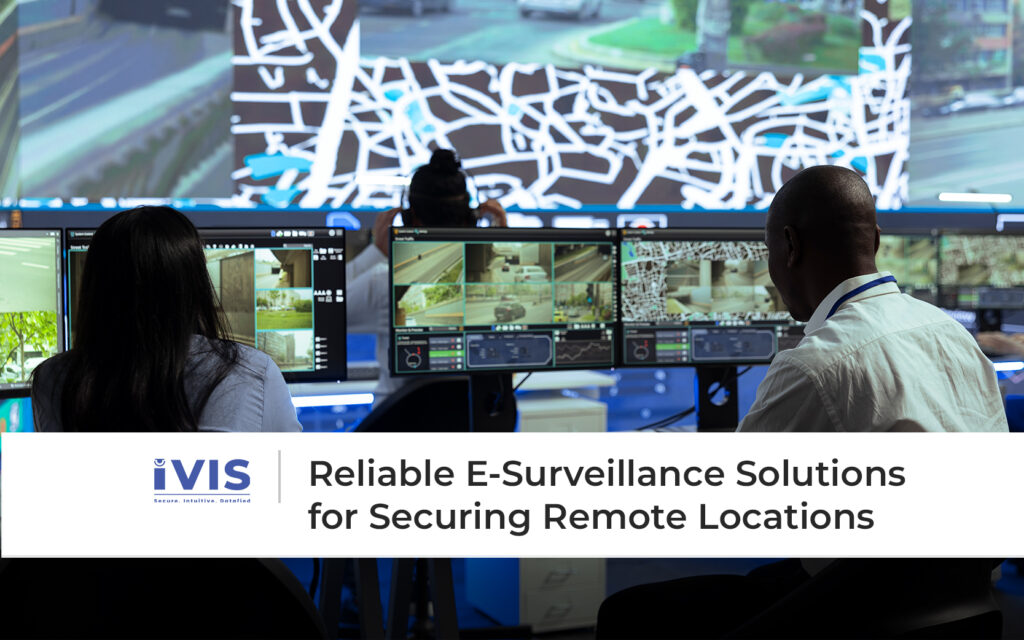
Reliable E-Surveillance Solutions for Securing Remote Locations Remote locations are easy targets. These sites often face delayed response times, limited staff presence, and difficult terrain. Securing them takes more than just fences and cameras. It demands intelligent systems that adapt, respond instantly, and operate without needing round-the-clock supervision. This is where e-surveillance solutions make all the difference. Why Remote Locations Need Advanced Security Thieves, vandals, and trespassers don’t follow business hours. Construction zones, oil fields, wind farms, and mining sites are high-value targets. Large warehouses also face similar risks. Valuable equipment and minimal on-site supervision make these locations vulnerable to intrusions. Traditional security methods often fall short in these environments. Patrols lack consistency. Maintenance becomes complicated. Connectivity remains unreliable. Criminals take advantage of these gaps. Studies show modern e-surveillance systems reduce crime in public spaces by up to 24–28%, including theft in urban areas and transit hubs. Remote video monitoring offers even greater precision, with AI-enhanced systems minimizing false alarms by up to 95% while slashing labor costs by 40–60% compared to traditional guards. E-Surveillance Solutions: Technology That Thinks Ahead E-surveillance solutions combine physical security with data-driven intelligence. These systems operate on the principle of detection, deterrence, and documentation. Unlike traditional setups, modern e-surveillance solutions do more than just record. E-surveillance systems analyze footage and adapt to changing environments. These solutions deliver visual evidence supported by behavior recognition, movement analysis, and intelligent alerts. These systems use a mix of: High-resolution cameras Remote video monitoring Audio deterrents Motion detection sensors Cloud-based control centers AI-powered video analytics Such integration builds a security layer that remains active at all times. The system does not rely on human presence. The setup reduces downtime. The technology works around the clock. Power of AI and Video Analytics in Harsh Environments Remote locations cannot afford a slow response. Intrusions need to be flagged fast. AI-based video analytics recognizes unusual behavior patterns. The system detects unauthorized access. The technology distinguishes between a person and a passing animal. The solution also tracks vehicles across entry zones. Key features help teams prioritize alerts. There is no wasted effort on false alarms. Only actionable data reaches decision-makers. AI ensures the system grows smarter and more efficient over time. Cloud Access and Centralized Control Distance should never be a barrier. Cloud-enabled e-surveillance solutions give real-time access to all feeds, recordings, and analytics. Managers can check footage from any device. Teams in different cities can collaborate on a single interface. Cloud storage ensures data is not lost due to local damage or power issues. Centralized control is key. A single dashboard can cover multiple remote locations. This minimizes blind spots. The platform maximizes visibility. The setup brings efficiency to an otherwise scattered operation. Voice-Down Deterrence: Prevention in Action Cameras alone do not scare off intruders. However, when the system speaks, people listen. Voice-down technology enables pre-recorded or live verbal warnings to play through on-site speakers. If someone enters a restricted zone, they hear a loud command to leave. This prevents many incidents from escalating further. E-surveillance solutions with voice-down deterrence provide psychological pressure. They let intruders know they are being watched. That pressure forces many to abandon the intrusion. Site-Specific Surveillance That Adapts No two remote locations are the same. A wind farm has different needs than a construction zone. Customizable e-surveillance solutions adapt to the environment. They account for lighting, layout, visibility, and network coverage. Systems can be solar-powered where electricity is limited. Camera towers can be installed quickly without digging. Portable units can be moved as the project progresses. Analytics can be configured to detect specific threats, such as vehicle loitering or fence breaches. Adaptability is what separates modern systems from outdated setups. Lowering Costs and Raising Performance Hiring guards for round-the-clock coverage across multiple sites is expensive. It also brings inconsistency. People get tired. Gaps form. Cameras don’t sleep. Cameras do not blink. Systems do not take breaks. E-surveillance solutions reduce the need for physical patrols. They cut operational costs while increasing coverage. One intelligent system can monitor large areas with minimal manpower. Reports and alerts can be generated automatically, saving time on manual checks. Investing in intelligent e-surveillance becomes more affordable in the long run. Compliance and Insurance Benefits Insurers want proof that safety measures are in place. Sites with e-surveillance solutions show lower risk. This often results in lower insurance premiums and faster, hassle-free claims. Compliance officers also favor systems that provide documented evidence during audits. Footage is time-stamped and securely stored. Access logs are tracked. Reports can be shared with authorities or regulators in minutes. This boosts credibility. It shows commitment to safety. Deterrence That Works Without Delay When a breach happens, every second counts. E-surveillance solutions send alerts in real time. Audio warnings go out instantly. Managers can verify the footage and take action without delay. Faster detection leads to swifter decisions. That is what prevents damage, loss, or liability. Systems that combine video, sound, and analytics act as a force multiplier. They replace reactive security with proactive protection. Integration with Access Control Many remote locations use gates, turnstiles, or smart locks. E-surveillance systems seamlessly integrate with access control measures. Unauthorized entries can be flagged. Authorized personnel movements can be logged. Facial recognition or license plate detection adds another layer. The solution goes beyond monitoring. The technology actively manages and controls movement. It creates a full picture of who enters, who exits, and what happens in between. No Internet? No Problem. Rural areas often face limited or unstable connectivity. That should not block surveillance. Mobile-enabled e-surveillance solutions use LTE cellular networks. They also operate through satellite connectivity to ensure reliable performance in remote locations. Local storage keeps data safe. Once the connection is stable, footage syncs to the cloud. Systems can even work offline for short durations. That flexibility makes them ideal for areas where infrastructure is still catching up. Why IVIS Delivers the Edge Remote location security needs to be intelligent, faster, and more reliable. E-surveillance solutions provide the visibility and deterrence required to

How E-Surveillance Helps Retail Businesses Minimize Losses​
Blog

How E-Surveillance Helps Retail Businesses Minimize Losses

How E-Surveillance Helps Retail Businesses Minimize Losses Retail moves fast and operates on tight margins. Every dollar lost to theft, fraud, or inefficiency cuts directly into profits. Shrinkage continues to plague retail stores. Retail theft caused losses of $112.1 billion in 2022, according to the National Retail Federation. Organized retail crime played a significant role in the surge. In this environment, businesses require more advanced solutions. E-surveillance is no longer optional; it is essential. From monitoring aisles to flagging suspicious activity, modern e-surveillance protects people, products, and profits. Retailers across the globe now rely on AI-powered e-surveillance systems. These systems do more than record. They analyze behavior, deter threats, and deliver valuable insights. This results in reduced losses, stronger operational control, and a higher return on investment. Retail Losses Are Not Just About Theft Retail loss happens in more ways than one. Internal theft, customer fraud, shoplifting, refund scams, and operational errors all contribute to significant losses. Traditional CCTV systems act as a deterrent, but they do not catch patterns, spot incidents in real time, or automate analysis. E-surveillance changes the game. With integrated sensors, intelligent video analytics, and cloud-based access, modern surveillance platforms transform passive footage into active intelligence. These systems detect behavior anomalies. The technology notifies staff of potential threats. The platform provides audit trails that help resolve disputes. Losses go down. Accountability goes up. Real-Time Monitoring Reduces Human Error Retail staff cannot be everywhere. Aisles stay unmonitored. Stockrooms become vulnerable. Transactions slip through with no oversight. E-surveillance fills these gaps. The system monitors continuously. It flags what humans miss. Cameras embedded with motion tracking and AI behavior analysis detect lingering customers, shelf-sweeping patterns, or unauthorized access. Managers receive instant alerts. Supervisors take action before incidents escalate. Employees stay vigilant, aware that the system captures everything, even when they are not observing. Intelligent Detection Limits Internal Theft Internal theft is one of the most costly and complex forms of retail loss to detect. Employees know the systems. They find loopholes. Cash register manipulation, discount abuse, and fake returns are tactics that often go unnoticed. E-surveillance tracks these patterns over time. Linking POS data with video footage ties each transaction directly to visible actions. When a refund is issued, the system displays the corresponding video of both the employee and the customer. There is no room for ambiguity or assumptions. Just facts. It empowers managers to investigate with confidence. Data-Driven Insights Improve Store Layout E-surveillance extends beyond loss prevention. It improves business decisions. Heatmaps generated from camera data uncover detailed customer traffic patterns. Store owners learn which areas attract the most customers and which ones stay idle. That knowledge helps rearrange layouts, optimize shelf placement, and improve customer experience. Footfall analytics also contributes to better staffing. If a system detects peak hours consistently between 5 and 7 PM, managers adjust shifts. Adding more staff improves customer service and increases conversion rates. E-Surveillance Deters Organized Retail Crime Organized Retail Crime (ORC) rings operate with a strategy. Groups target stores repeatedly. These groups steal large volumes in short timeframes. The stolen goods are resold through illegitimate channels. Basic cameras offer little resistance. Advanced e-surveillance adds friction. License plate recognition tracks known vehicles. Face recognition tools identify repeat offenders. Audio deterrents, such as voice-down alerts, directly engage intruders. Criminals think twice when systems react immediately. These layers create active deterrence. The goal is not just to catch criminals. The focus is on preventing them from entering in the first place. Incident Investigation Gets Easier and Faster After an incident, the manager’s time should not be wasted reviewing hours of footage. E-surveillance systems make evidence retrieval fast. Metadata tagging, searchable video timelines, and AI filtering reduce investigation time. Instead of watching hours of video, managers search keywords like “unauthorized access” or “after-hours movement.” The system brings up relevant clips. This simplified process accelerates dispute resolution, enhances incident reporting, and strengthens legal support. Compliance and Liability Management Simplified Retailers often face lawsuits or claims related to slips, falls, or customer altercations. Without proper evidence, businesses remain exposed. E-surveillance documents events accurately. It timestamps every occurrence. That video becomes proof. Insurance companies appreciate documentation. So do legal teams. With high-quality footage, claims can be validated or dismissed quickly. Compliance improves. Risk lowers. Stores become safer environments for both customers and employees. Cloud-Based Access Keeps Retailers in Control Retailers with multiple locations often face challenges in monitoring all their stores effectively. Traditional systems require on-site checks or local downloads. E-surveillance with cloud access changes that allow managers to monitor every location in real time from a single, centralized platform. Owners access live feeds from any location, using a secure dashboard. Centralized monitoring means policies remain consistent. Managers can review incidents, verify that store procedures are followed, and maintain full control from any location. It reduces dependency on local staff and strengthens brand-wide security protocols. Integration with Other Systems Boosts Efficiency E-surveillance does not work in isolation. It integrates with access control, point-of-sale, inventory tracking, and more. A unified system captures and analyzes every event, from door entries to register transactions, in a single streamlined process. This integration prevents fraud at the root. A mismatched inventory count triggers a review. A manual override on the register flags the camera. Every piece connects to a larger picture. Decisions become proactive, not reactive. Choosing the Right E-Surveillance Partner Not all systems offer the same benefits. Some record. Others analyze. The best ones do both and more. Retailers should look for platforms that are scalable, adaptable, and secure. Cloud compatibility, AI analytics, remote alerts, and seamless integrations should be non-negotiable features. Hardware matters, but software makes the difference. Systems that adapt over time, learn from behavioral patterns, and provide centralized control give retailers a clear advantage. Why IVIS Is the Efficient Choice E-surveillance has redefined how retail stores secure assets, monitor behavior, and reduce losses. It replaces guesswork with data, passive recording with intelligent response, and scattered footage with centralized insight. Shrinkage drops. Confidence rises. IVIS delivers this next-generation e-surveillance

The Shift to Intelligent Surveillance in Healthcare
Blog

The Shift to Intelligent Surveillance in Healthcare

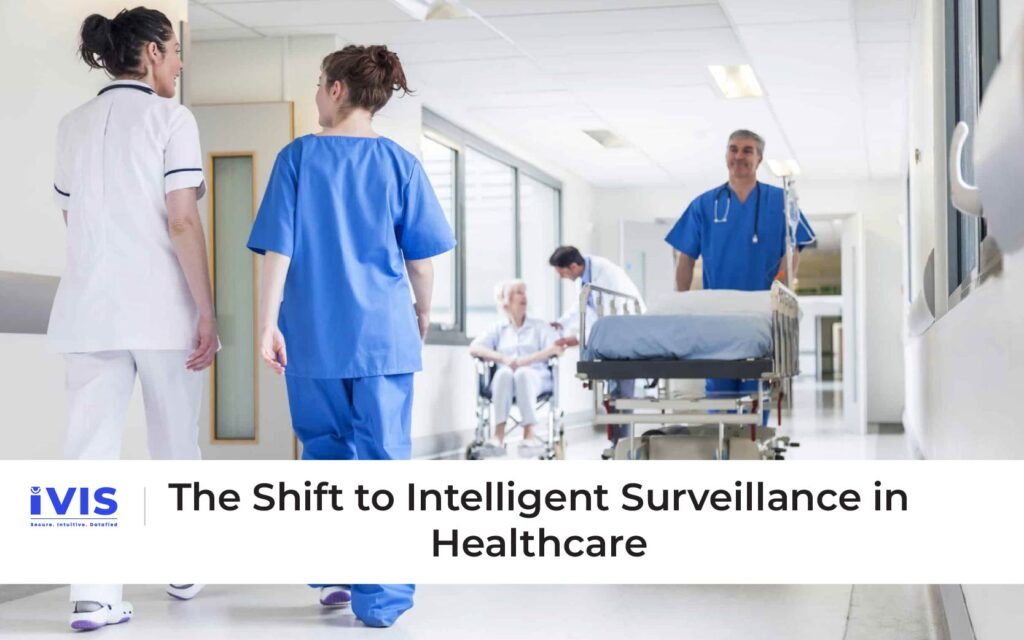
The Shift to Intelligent Surveillance in Healthcare Intelligent surveillance is transforming healthcare environments. Medical teams face rising patient complexity, higher safety demands, and an urgent need for efficiency. Outdated monitoring systems can’t keep up. Facilities need advanced solutions, and intelligent surveillance provides them. Healthcare now demands continuous insight around the clock, not just observation. Administrators look for systems that reduce risk. Clinicians need tools that support faster response times. Patients expect a higher level of safety. Technology must go beyond cameras and alerts. It must provide real-time intelligence that drives decisions. That is what intelligent surveillance does. Conventional Monitoring Can’t Keep Up Most hospitals still rely on manual observation, video footage, and periodic rounds. These methods miss events and consume staff hours. Relying heavily on human attention makes them vulnerable to fatigue and error. Security footage often goes unreviewed. Logs do not connect with EMRs. Staff can’t be everywhere at once. Patient falls, unauthorized access, and sudden medical deterioration often go unnoticed until it’s too late. Workforce shortages amplify the problem. A single nurse is responsible for monitoring multiple patients and systems. Manual workflows often lead to gaps in observation. Technology must fill those gaps. What Intelligent Surveillance Offers Intelligent surveillance replaces reactive monitoring with real-time, AI-powered insight. These systems combine video analytics, machine learning, and sensor data to detect unusual behavior. They recognize patterns and alert staff instantly. Hospitals shift from watching to knowing. Instead of waiting for something to go wrong, intelligent systems anticipate risk and notify the right people. Surveillance becomes an active tool, not a passive one. Capabilities include: Bed-exit detection and fall prevention Facial recognition for secure access Real-time location tracking of staff and equipment Heat mapping for workflow optimization Contactless vital signs monitoring Alert generation based on predictive modeling These systems reduce alarm fatigue by filtering out false alerts. These systems connect with hospital infrastructure, including electronic medical records, security systems, and building access controls. Surveillance becomes a hub of insight, not an isolated system. AI and Computer Vision in Action AI powers intelligent surveillance. Algorithms learn patient behavior, staff patterns, and normal activities. They detect changes in posture, facial expression, movement, and walking speed. The system responds in real-time. Computer vision detects when a patient leaves the bed or enters a restricted area. It recognizes aggressive behavior or distress. It can even assess pain levels through facial analysis. These insights help staff intervene faster and more effectively. The system evolves with use. More data equals better detection. Hospitals benefit from self-learning surveillance that adapts to changing environments. A Proven Impact Across Care Settings Hospitals, clinics, and elder care facilities already use intelligent surveillance to improve outcomes. ICU nurses receive alerts when patients show signs of deterioration Behavioral health units prevent escalation by detecting early agitation Long-term care centers avoid falls by recognizing risky movements Emergency departments manage crowd flow with real-time analytics Infection control teams trace exposure through movement data According to a 2023 MarketsandMarkets report, AI in the healthcare market will grow from $20.9 billion in 2024 to $102.7 billion by 2028. This surge reflects the increasing reliance on intelligent technologies for care delivery and operational management. Hospitals can’t afford not to adopt intelligent surveillance. Lives depend on fast, accurate detection and action. Security and Compliance in Focus Surveillance must respect privacy and regulatory demands. Intelligent surveillance systems use encryption, secure access controls, and audit logs to ensure data protection. They anonymize footage, limit access based on roles, and track every system interaction. Healthcare facilities must comply with HIPAA, GDPR, and local regulations. Intelligent surveillance helps achieve compliance. It provides full traceability, secure storage, and real-time access logs. Data is both protected and actionable. Hospitals also benefit from transparency. Visitors and patients see signage explaining surveillance use. Trust grows when patients know surveillance exists for their safety, not intrusion. Intelligent Surveillance vs. Traditional CCTV CCTV systems record. Intelligent surveillance interprets. That difference matters. CCTV is reactive. Intelligent surveillance is proactive. CCTV requires human review. Intelligent surveillance analyzes events in real-time. CCTV footage often sits unused. Intelligent surveillance drives live alerts and dashboards. CCTV is siloed. Intelligent surveillance integrates with hospital systems. This shift delivers value beyond safety. Facilities gain operational efficiency, staff workflow optimization, and better clinical outcomes. Why IVIS Leads in Intelligent Surveillance IVIS provides intelligent surveillance solutions tailored for modern healthcare environments. The platform integrates artificial intelligence, video analytics, and secure infrastructure into a unified system. These solutions enhance clinical workflows, strengthen facility security, and reduce administrative workload. With IVIS, healthcare organizations gain access to: Real-time risk alerts for patient safety Integrated dashboards across multiple hospital systems Secure facial and behavior recognition Flexible zone settings for different departments Custom reporting and data export for audits and reviews The IVIS team collaborates with healthcare providers to implement solutions optimized for specific care settings, including intensive care units, geriatric wards, emergency departments, and mental health facilities. This approach enables organizations to stay ahead of potential risks rather than respond after the fact. Operational Benefits Intelligent surveillance improves more than safety. It enhances efficiency across the board. Reduces false alarms and alert fatigue Lowers response time to patient distress Reduces liability through incident documentation Optimizes staff allocation via heatmaps Tracks resource usage for cost control Enhances regulatory reporting with digital audit trails Hospitals that use intelligent surveillance report higher staff satisfaction, improved patient feedback, and reduced incidents. Technology enables people to work smarter, not harder. Implementation Doesn’t Disrupt Intelligent surveillance improves more than safety. It enhances efficiency across the board. Reduces false alarms and alert fatigue Lowers response time to patient distress Reduces liability through incident documentation Optimizes staff allocation via heatmaps Tracks resource usage for cost control Enhances regulatory reporting with digital audit trails Hospitals that use intelligent surveillance report higher staff satisfaction, improved patient feedback, and reduced incidents. Technology enables people to work smarter, not harder. Implementation Doesn’t Disrupt IVIS designs systems for seamless integration. Implementation does not require significant infrastructure changes. The solution works with existing networks, camera systems,

Advanced ATM E-Surveillance: Reducing Vandalism and Downtime
Blog

Advanced ATM E-Surveillance: Reducing Vandalism and Downtime

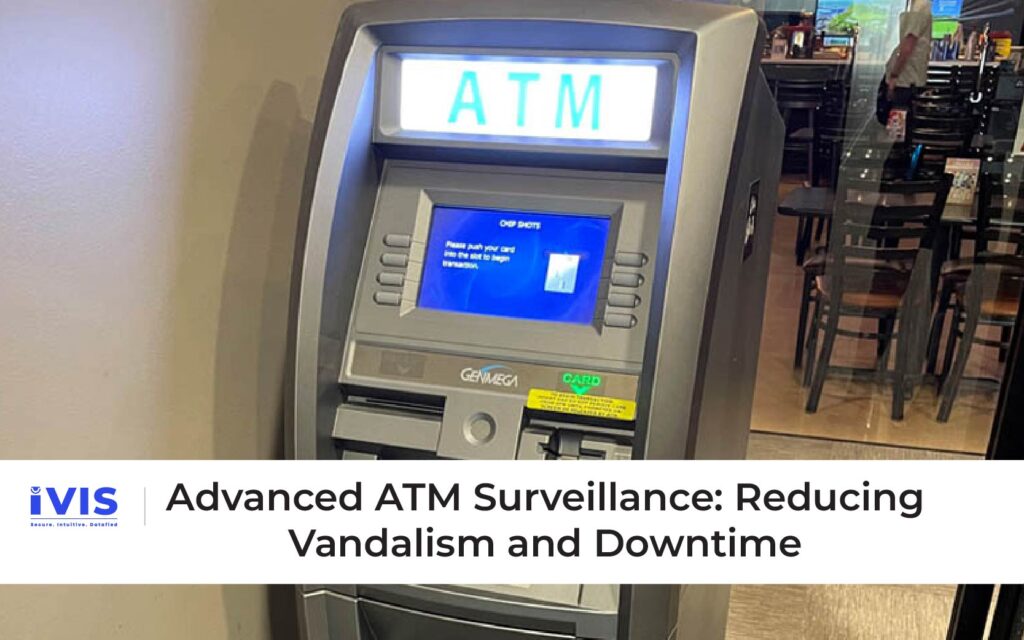
Advanced ATM E-Surveillance: Reducing Vandalism and Downtime You approach an ATM to withdraw some cash and find the machine vandalized. The screen is cracked, the keypad is smashed, and a hastily printed “Out of Order” sign is taped over it. This is not just frustrating for you as a customer. It is a warning sign for banks and ATM operators, pointing to bigger issues like rising crime, increased downtime, and lost trust. That is why ATM e-surveillance has become more critical than ever. It is the first defense against such expensive disruptions. In the digital age, ATM e-surveillance is no longer just a passive system that collects video footage. It has become a frontline defense mechanism. Modern ATM security technologies have advanced dramatically, integrating artificial intelligence, real-time alerts, and remote monitoring to reduce vandalism and downtime while protecting assets and people. The Hidden Toll of ATM Vandalism Vandalism is not always about stealing money. Often, it is about disabling a machine, gaining unauthorized access, or causing disruption. According to the ATM Industry Association’s 2025 quarterly crime report, smash-and-grab attacks accounted for over 28% of all ATM physical attacks in the first quarter. That number rose to more than 45% in the fourth quarter of last year, causing extensive damage and significant repair costs. These figures do not account for lost revenue, potential security breaches, or the reputational damage that can result. Even more concerning is the impact on machine uptime. A vandalized ATM can remain offline for 12 to 24 hours, depending on the severity of the damage and how quickly maintenance teams can respond. During that downtime, customer frustration grows, and competitors benefit. For banks with large ATM networks, these interruptions can quickly escalate into millions of dollars in lost income. This is why ATM e-surveillance is no longer just a defensive tool. It has become a strategic investment in both customer satisfaction and operational efficiency. The Evolution of ATM E-Surveillance Technology As threats have become more sophisticated, so have the tools to counter them. Today’s ATM e-surveillance systems are no longer just focused on recording footage. They are designed to prevent incidents before they happen. With intelligent, faster, and more connected technology, ATM security has evolved into a new era. ATM e-surveillance has moved far beyond simple CCTV setups. Let us take a deeper look: AI-Powered Monitoring Today’s e-surveillance systems are not just watching. They are also interpreting and analyzing behavior in real-time. AI-powered cameras can distinguish between normal behavior (e.g., a person withdrawing money) and suspicious activity (e.g., someone lingering at the ATM, trying to pry open compartments, or masking their face). These intelligent systems send real-time alerts to security teams, reducing response time and deterring vandalism before damage occurs. 24/7 Visual Coverage with Enhanced Resolution Gone are the days of grainy, low-resolution black-and-white videos. Modern ATM e-surveillance uses HD or 4K cameras, often with night vision capabilities. This ensures high-quality visual records that can assist in investigations and insurance claims. The visible presence of such cameras also deters many would-be vandals. Advanced Integration with Banking Systems Advanced e-surveillance systems can integrate directly with an institution’s ATM management software. This integration means video feeds can be linked to transaction data, helping to verify legitimate activity or investigate fraud. It also allows for real-time status checks on ATM performance, helping to distinguish between a system fault and potential tampering. Real-World Impacts: When E-Surveillance Works There is compelling evidence that ATM e-surveillance technology is making a measurable difference in reducing criminal activity and minimizing downtime. Some financial institutions have reported significant cost savings and fewer repeat incidents after implementing intelligent e-surveillance tools across their ATM networks. These results show that modern security is not just a protective measure. It is a proactive solution that deters crime and improves service availability. The Role of Remote Monitoring and Rapid Response When something goes wrong at an ATM, speed matters. The longer a unit remains out of service, the greater the disruption and the higher the risk. Thanks to cloud-connected e-surveillance platforms, ATM operators can receive alerts instantly when something’s amiss. Whether it is suspicious motion, an impact detected by sensors, or an unauthorized access attempt, the system can notify staff in real-time. Security personnel no longer need to be physically near the ATM to assess the situation. With live video feeds and detailed logs, they can evaluate remotely whether to dispatch help, shut down the ATM, or reset a system. This immediate awareness drastically cuts downtime. What once took hours to detect and respond to now takes minutes. Even better, some issues can be resolved off-site. Remote technicians can reset software or run diagnostics without an expensive truck roll. Enhancing Customer Trust and Satisfaction It is easy to overlook the customer experience in a conversation about security. However, ATM availability and safety play a significant role in public trust. No one wants to use an ATM that feels sketchy or appears damaged. Customers expect machines that function reliably, are well-lit, and are visibly monitored. By reducing vandalism and ensuring that ATMs remain operational, banks and operators send a clear message: “We care about your safety and your time.” Furthermore, when a machine is protected by obvious security features like visible cameras, warning signs, or speaker systems that broadcast alerts, it discourages crime. At the same time, it reassures users. A well-guarded ATM becomes a beacon of reliability, driving repeat usage and brand loyalty. From Prevention to Prediction Perhaps the most exciting frontier in ATM e-surveillance is the move from reactive protection to predictive analytics. E-surveillance systems now gather and analyze data over time: patterns of suspicious behavior, peak risk hours, geographic crime trends, and environmental triggers. With enough data, security teams can anticipate threats and proactively reinforce vulnerable locations. For example: A particular ATM that logs frequent after-hours loitering might be flagged for extra security patrols. Areas that experience high temperatures and power fluctuations could trigger hardware warnings and prompt preventive maintenance. Holiday weekends might show increased risks of vandalism,

Cloud Surveillance for Multi-Site Security
Blog

Cloud Surveillance for Multi-Site Security

Cloud Surveillance for Multi-Site Security As businesses expand across cities, countries, and continents, managing security across multiple locations becomes increasingly complex. Traditional on-site surveillance systems often fall cumbersome to control, are hard to scale, and are expensive to upgrade. Enter cloud surveillance: an intelligent, more scalable solution changing the game for multi-site security. You might be managing a chain of retail stores, a network of offices, or multiple industrial sites. Cloud surveillance gives businesses the flexibility and control to maintain security at every location, regardless of the setup. Why Multi-Site Businesses Are Turning to the Cloud Managing security for one site is challenging enough. Multiply that by five, ten, or fifty locations, and the complexity skyrockets. Cloud surveillance is emerging as the go-to choice for multi-site organizations. 1. Centralized Management Cloud platforms give security teams one unified dashboard to monitor all locations in real-time. Users can access live feeds and recorded footage from anywhere using a laptop, tablet, or smartphone. This eliminates the need to log into multiple systems or travel between sites. Centralized control saves time and ensures consistent policies and standards across all locations. Cloud systems streamline the process of checking for compliance, reviewing incidents, and auditing security protocols. 2. Scalability and Flexibility With traditional systems, scaling surveillance across multiple sites often involves significant upfront investment and complex installation. Cloud surveillance removes many of those hurdles. Adding new cameras or sites is as simple as connecting them to the cloud platform. There is no need for additional servers, complex wiring, or IT overhaul. This flexibility allows businesses to grow confidently, knowing their security system can expand alongside them. 3. Remote Access and Monitoring Remote monitoring is one of the most powerful features of cloud surveillance. From headquarters, a regional office, or even while traveling, security managers can: Watch live video feeds Review past incidents Set up and receive alerts Adjust settings and permissions Having substantial visibility and control is especially important during emergencies or after hours. In such situations, immediate access to footage can be crucial. 4. Cost Efficiency While cloud surveillance often involves a monthly or annual subscription, it eliminates many hidden costs tied to traditional systems: No need for on-site servers or storage hardware Reduced maintenance and IT support Fewer physical site visits Cloud-based systems handle updates automatically, eliminating the need for manual patching or upgrades. This reduces labor costs and the risk of system disruptions. 5. Better Security and Compliance Cloud providers invest heavily in securing their infrastructure. In many cases, their security measures exceed what most individual businesses can implement independently. This means data is: Encrypted during transmission and storage Backed up regularly Protected with multi-factor authentication and access controls Industries with strict compliance requirements, such as finance, healthcare, and retail, must carefully manage video data. Cloud surveillance ensures this data is handled according to the latest standards and regulations. According to Allied Market Research, the global video surveillance storage market was valued at $12.3 billion in 2021 and is projected to reach $39.5 billion by 2031, growing at a CAGR of 12.3% between 2022 and 2031. Real-World Use Cases Cloud surveillance is more than just a technological upgrade. It provides practical benefits in everyday operations. To better understand its value, let us explore how it works in practice across different industries: Retail Chains Retailers often struggle with shrinkage, customer incidents, and staff safety. Cloud surveillance allows regional managers to: Spot patterns of theft or suspicious behavior Ensure compliance with customer service standards Monitor store openings, closings, and staffing remotely Cloud systems integrate easily with POS (Point of Sale) systems, enabling enhanced analytics and quicker incident resolution. Corporate Offices Corporate offices now experience fluctuating occupancy levels with the rise of hybrid work. Cloud surveillance provides: After-hours monitoring Access control integration Visitor tracking and video verification In a break-in or emergency, security teams can instantly share footage with authorities or internal stakeholders. Logistics and Warehouses Supply chain facilities rely heavily on secure operations. Cloud systems help monitor: Loading and unloading zones Employee workflows Equipment usage and safety compliance Multi-site warehouse operations benefit from centralized video analytics. These tools help identify operational bottlenecks and reduce downtime. Key Features to Look For in a Cloud Surveillance System Not all cloud surveillance platforms are created equal. When evaluating solutions for multi-site use, prioritize systems with: High-definition video recording (at least 1080p) AI-powered analytics for motion detection, facial recognition, or object tracking Customizable alerts via email, SMS, or app notifications Role-based user access and audit logs Data redundancy and automatic backups Integration capabilities with third-party systems (like access control or incident management) These features empower security teams to do more than monitor. They allow them to prevent incidents proactively and respond in real-time. Common Misconceptions About Cloud Surveillance As cloud surveillance continues to gain traction, some lingering misconceptions still hold businesses back. These misunderstandings can create unnecessary hesitation and prevent organizations from fully realizing the benefits. Despite its advantages, some businesses hesitate to adopt cloud surveillance due to common myths: “Cloud is not secure enough.” In reality, cloud platforms typically offer enterprise-grade security, including encryption, access logs, and multi-factor authentication. When properly configured, cloud systems are often more secure than legacy on-premises setups. “The internet is not reliable enough.” Most modern cloud cameras feature local failover storage. This implies they will continue recording even if the internet goes down and then sync once the connection is restored. “It is too expensive.” Although there is a recurring cost, cloud surveillance can be more cost-effective in the long run. This is due to reduced maintenance, lower hardware expenses, and less operational overhead. Enhanced Security with the Cloud Cloud surveillance is more than a modern convenience. It is a strategic investment for businesses managing multiple locations. Real-time visibility, central control, and seamless scalability are key features of the system. Together, they provide the tools needed to protect assets, people, and operations with confidence. Whether running a few retail outlets or dozens of logistics sites, the shift to cloud surveillance is not just inevitable. It

Scroll to Top