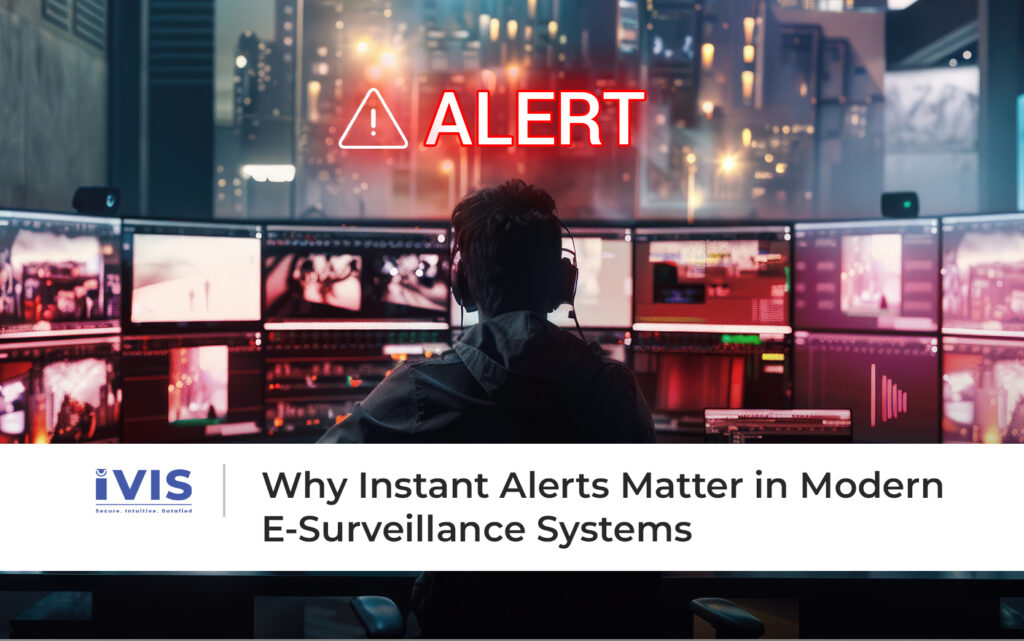
Why Instant Alerts Matter in Modern E-Surveillance Systems
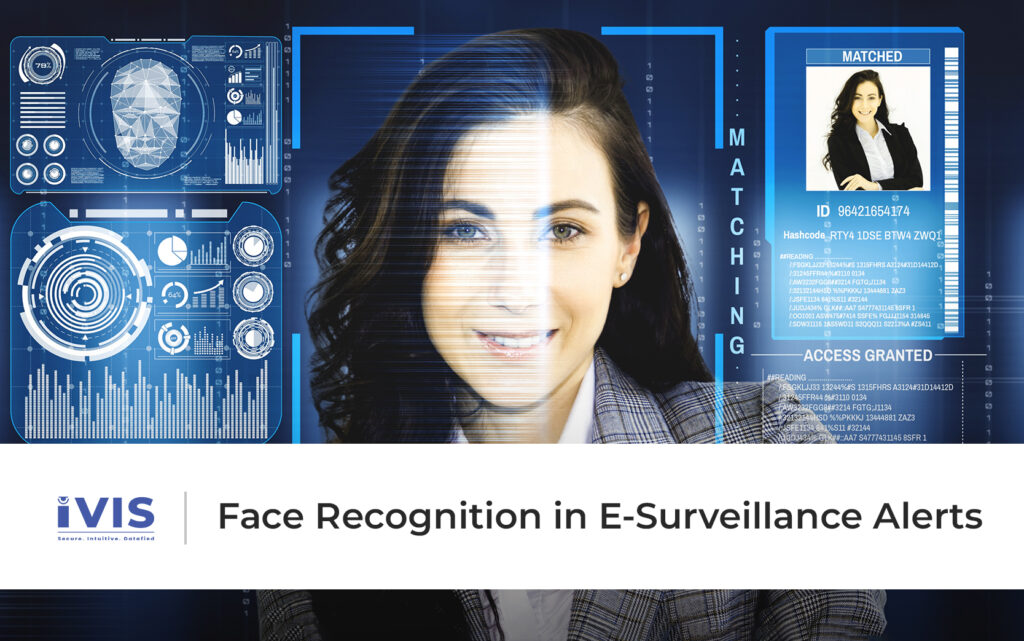
Why Instant Alerts Matter in Modern E-Surveillance Systems Modern environments demand constant vigilance. Security shifts from reactive to proactive thanks to e-surveillance systems that deliver instant alerts. These alerts grab attention immediately. Systems warn before damage escalates. These solutions inform responders fast. Instant alerts in e-surveillance systems reduce response lag. Security systems eliminate guesswork. These systems trigger action the moment a threat appears. The platforms broadcast alerts via mobile, email, text, or dashboard. Such solutions guide human teams and machines. The technology shapes an effective response within seconds. Security monitors face overload when alarm volume runs high. Alarm fatigue sets in. Staff ignore alerts that feel routine. A single critical alert might get missed. Instant alerts in e-surveillance systems elevate signal over noise. Alerts demand attention when urgency peaks. They avoid the “cry-wolf” effect while maintaining peak sensitivity. How Technology Drives Instant Alerts AI and edge computing amplify instant alerts in e-surveillance systems. Edge-based analytics spots suspicious behaviors on camera frames. It flags anomalies at the source. It cuts network lag. It sends alerts within milliseconds. Lab experiments show edge systems can raise alerts in just 0.002 seconds. This speed adds real value in preventing incidents at their birth. Video analytics improves accuracy in e-surveillance systems. Systems recognize humans, vehicles, or intrusions. The systems verify breaches visually. These systems avoid the 98 % false alarm rates seen in traditional burglar alarms. Verified alerts gain police priority. The alerts turn noise into credible action signals. Machine learning models sharpen alerts over time. Machine learning models learn patterns of movement, vehicle types, and access schedules. These models adjust thresholds for day versus night. The systems are designed to understand seasonal shifts in traffic. The technology adapts to weather impacts on camera feeds. Sectors That Benefit Most Different industries face different security challenges. Instant alerts in e-surveillance systems adapt to each environment. From retail floors to critical infrastructure, these systems strengthen safety where it matters most. Retail environments: Instant alerts connect analytics to store staff. Exception-based alerts trigger when loitering, suspicious behavior, or theft occurs. Staff see live video, act fast, and reduce loss. Fraud at self-checkout lanes or fuel pumps gets stopped early. Transportation hubs: Airports and train stations run on high traffic flow. Instant alerts identify abandoned baggage, perimeter breaches, or trespassing. Security teams act within seconds to maintain schedules and ensure safety. Warehouses and logistics: Facilities store valuable goods. Instant alerts detect after-hours movement, dock breaches, or forklift accidents. Alerts keep inventory secure and workers safe. Financial institutions: Banks and data centers depend on speed. Instant alerts activate during ATM tampering, break-ins, or unauthorized access to restricted areas. Every second matters when assets and records are on the line. Public infrastructure: Power plants, water treatment facilities, and telecom towers cannot afford downtime. Instant alerts flag perimeter activity, unusual temperature changes, or sensor failures. Preventing disruption saves millions. Healthcare facilities: Hospitals and clinics require a fast response to patient safety incidents. Instant alerts signal when restricted medication cabinets open unexpectedly, or when patients at risk leave secure areas. Security and medical staff act in real time to prevent harm. Smart cities: Municipal surveillance networks cover streets, public squares, and transport links. Instant alerts notify city authorities about crowd surges, traffic accidents, or criminal activity. Law enforcement and emergency services arrive faster, keeping urban life flowing. Why Instant Alerts Improve Safety Instant alerts in e-surveillance systems build trust. Security teams rely on clarity. They trust alerts that move fast and mean business. Reliable alerts reduce anxiety. People feel safer when the threat response seems effortless. Intelligent systems issue early warnings that stop panic before it starts. Real-time awareness changes how teams operate. Supervisors direct guards with precision. First responders receive actionable information before arriving. Crowd control becomes organized and strategic rather than chaotic. Evacuation plans work better with seconds to spare. Operational and Financial Gains Instant alerts in e-surveillance systems boost data quality. Alerts trigger recording, tagging, and logging. They capture footage with clarity and context. Investigations move faster. The evidence stands stronger. Data drives insights that shape prevention. Cost control improves with instant alerts. Small problems stay small. Stolen goods, vandalism, and downtime drop. Insurance claims decrease, and businesses gain stronger financial stability. Businesses see better ROI on security investment. The global AI‐powered surveillance market will hit $62.6 billion by 2028, growing at a CAGR of 22.3 %, driven largely by demand for real-time monitoring and alerts. Compliance and Documentation Legal and industry regulations demand documented proof of incidents. Instant alerts in e-surveillance systems ensure accurate, time-stamped records. Alerts automatically log details into audit-ready formats. Organizations demonstrate compliance and readiness without relying on manual reporting. Well-structured documentation also protects against liability claims. Clear records strengthen legal defense during disputes. Automated reports save staff countless hours of tedious paperwork. Regulatory audits progress faster when evidence is captured and verified instantly. Designing Effective Instant Alert Systems Instant alerts in e-surveillance systems require careful design. Triggers must be relevant. False positives must be filtered. Sensitivity must match real risks. Continuous tuning keeps systems accurate. Integration with access control, fire detection, and intrusion sensors creates one unified security framework. Automated notification systems extend alert reach. They send messages to radios, screens, apps, and even building PA systems. The systems ensure the right people hear the right alert at the right time. Inside Alert Prioritization Not every alert holds the same weight. Modern e-surveillance systems use tiered alert levels. Critical alerts demand immediate response, such as active threats or fires. High alerts flag suspicious behavior with potential escalation. Medium alerts indicate policy violations or minor security breaches. Low alerts log unusual but non-urgent activity for review. Intelligent prioritization ensures response teams focus on the highest-impact situations without distraction. Real-World Scenarios A manufacturing plant uses instant alerts to stop unauthorized equipment use after shifts. A school receives instant alerts when a door to a restricted area opens. Staff respond before students wander inside. A port authority gets notified when a perimeter fence is cut. Patrols arrive